Goals for the Program
I believe I create better with other people and in response to their art and stories, and hope at the Nest we could support a community for artists and nature enthusiasts to come together creating art and interacting with the natural world.
In this community, I would like people to be able to:
Explore Different Places
I would like to encourage people to see the beautiful things all around them: local nature reserves, places like museums or aquariums, even just a walk around the block. Sometimes, you don't need to travel to see something new––someone's photography, or lecture, or book can show you the same old things from an entirely different perspective.
Explore Materials
I would like to encourage people to explore accessible materials they already have at home. Projects like this are great for developing your creativity, being low stakes, and repurposing rubbish lying around the house. I've been making cat toys with old clothes and find it fun because I can practice sewing while not worrying about making things ugly or wasting fabric.
With resources at the Nest, people can also be encouraged to try new mediums they haven't been able to due to cost or other barriers (laser cutting, ceramics).
Explore Why We Make
Why is it that so often nature and art are seen and valued only for their surface level beauty? What does art do for us? Why have we been making it since the beginning of civilization? I hope that through our programming we could develop this relationship people have with their art and explore the deeper motivations behind making art.
I would love to look together at popular media (comics, movies, games, shows) and assess how they depict nature. It's interesting to me that in Legend of Korra, one major antagonist is actually an environmentalist who wishes to turn back the effects of industrialization, but 'takes it too far'. How do people internalize these messages of nature and environmentalism as depicted in their childhood media?
Black Beauty wrote a story about horse abuse so poignant that it led to the ban of 'bearing reins' in Victorian England. Clan Apis and the Sandwalk Adventures create stories about unsympathetic creatures and add a human element to them. The Martian and Project Hail Mary depict a future for people to imagine and aspire to. Even just looking at stories about rodents (Poppy, Redwall, Rats of NIMH, Tale of Despereaux, Maus), you can see how incredibly varied work can be in how it uses art and nature to tell us about ourselves.
I compiled a list of some educational animal content here, showing the different ways people bring animals and matters of conservation to the public, and work to build passion.
The Fellow will design, facilitate, and refine innovative, fun, inclusive, and culturally responsive nature-based art programming at the Nest. These programs will be designed to create a deeper connection to nature, make people happy, build community, and provide the opportunity for people to discover hidden talents within themselves.
As part of a team, the Fellow will design, develop, implement, and scale nature-based art programming that will be done in collaboration with existing and new community partners (e.g. libraries, recreation departments, art organizations, farmers markets, festivals). These programs will use best practices in culturally responsive, teaching, art education, and environmental education.
As part of a team, a third major goal for the Fellow will be to develop, design, and implement a community level art project that melds together art and nature programming with environmental activism.
collaborations
What opportunities exist with community partners to teach new aspects of art and environmental education?
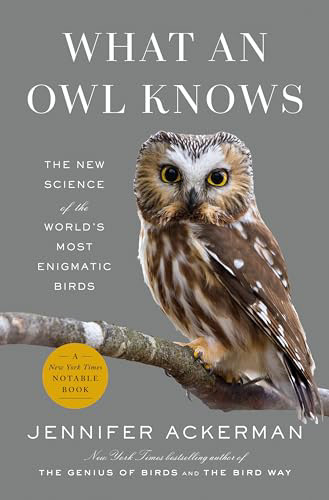
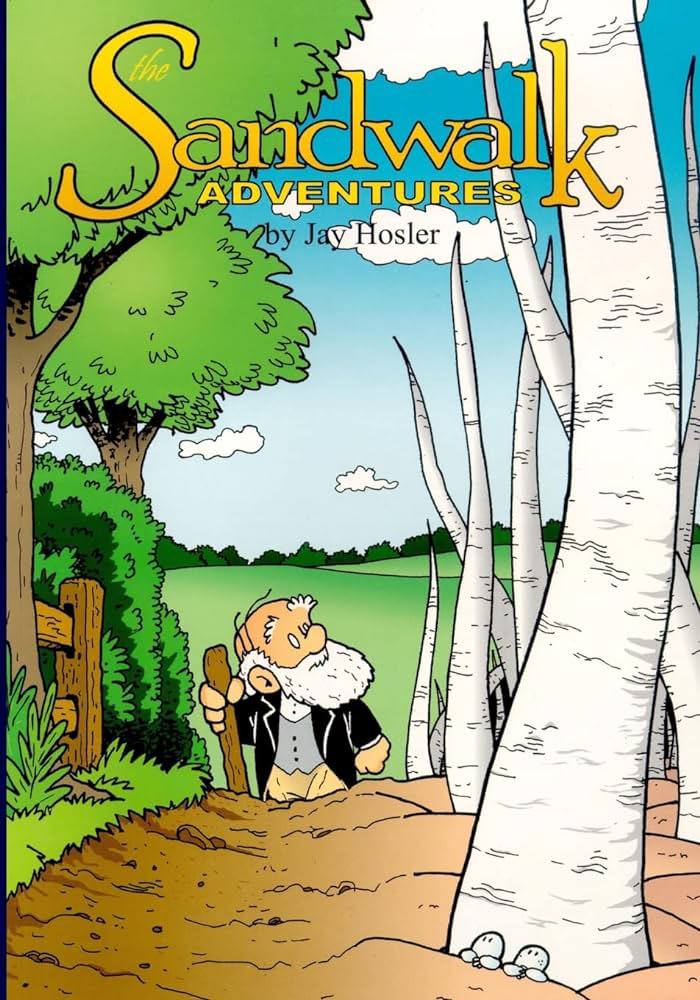
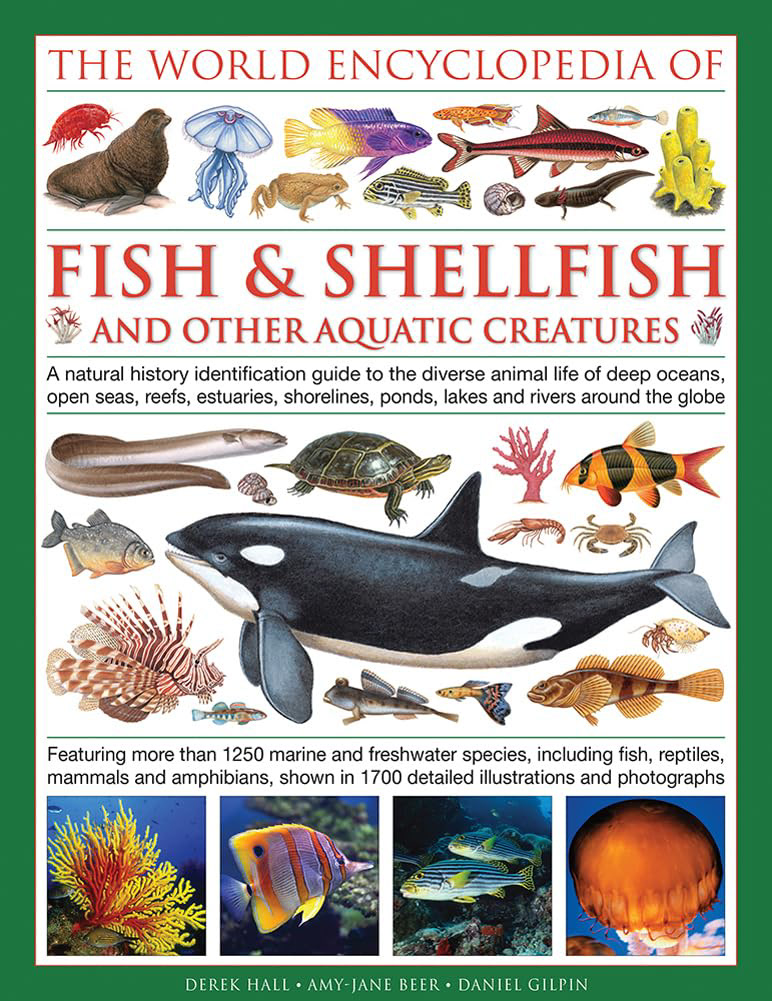
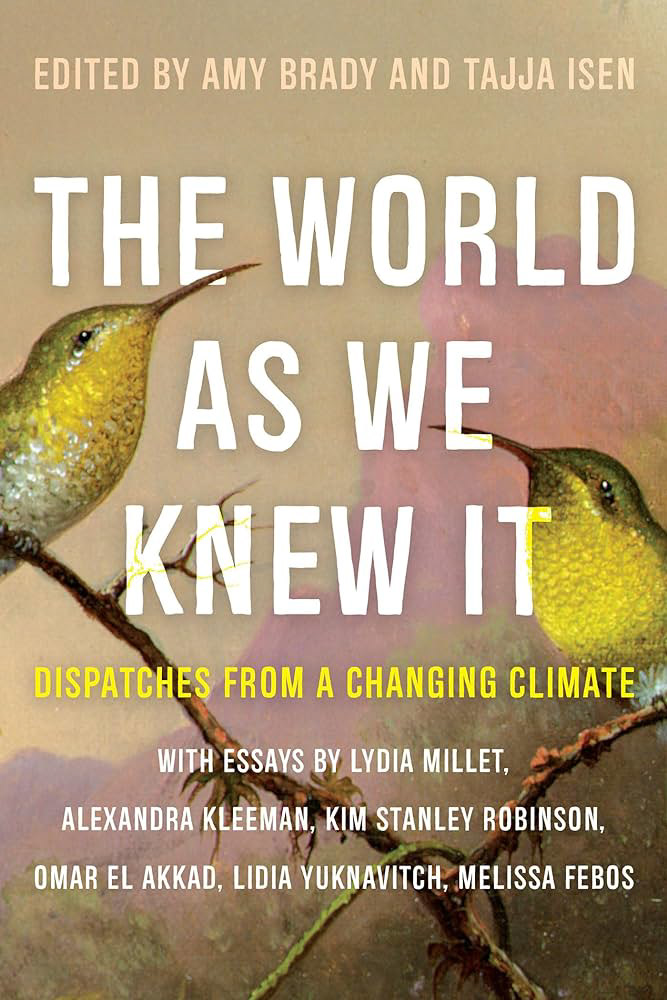
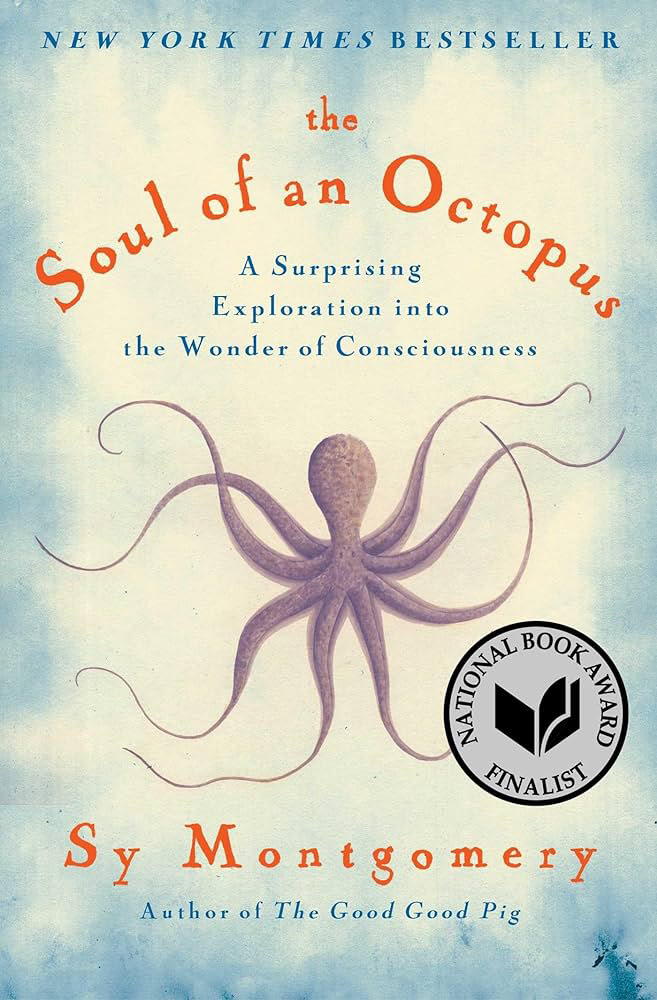
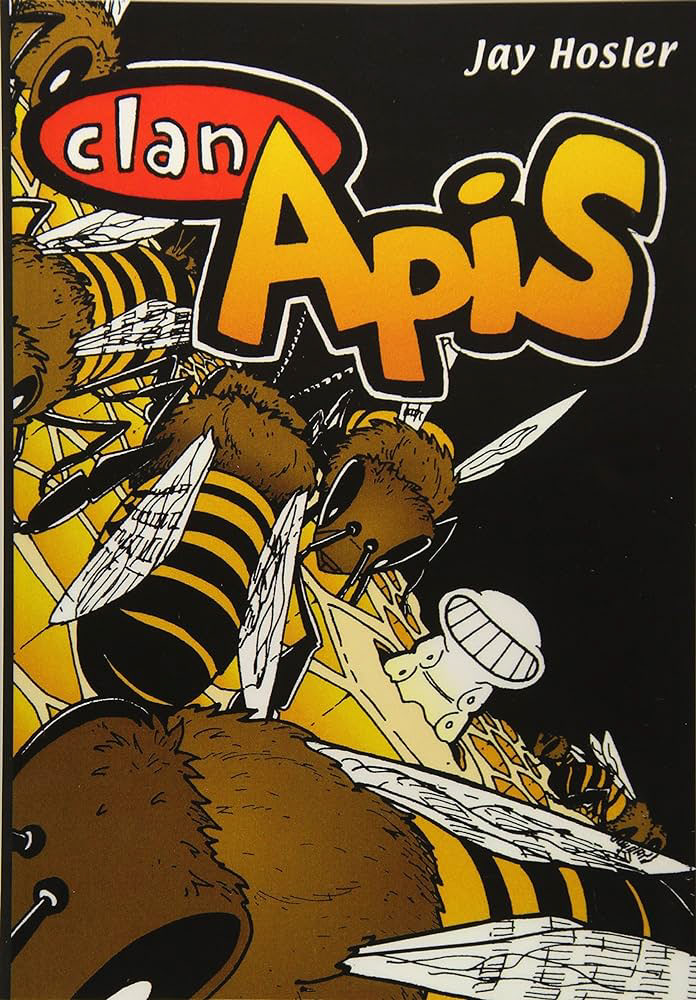
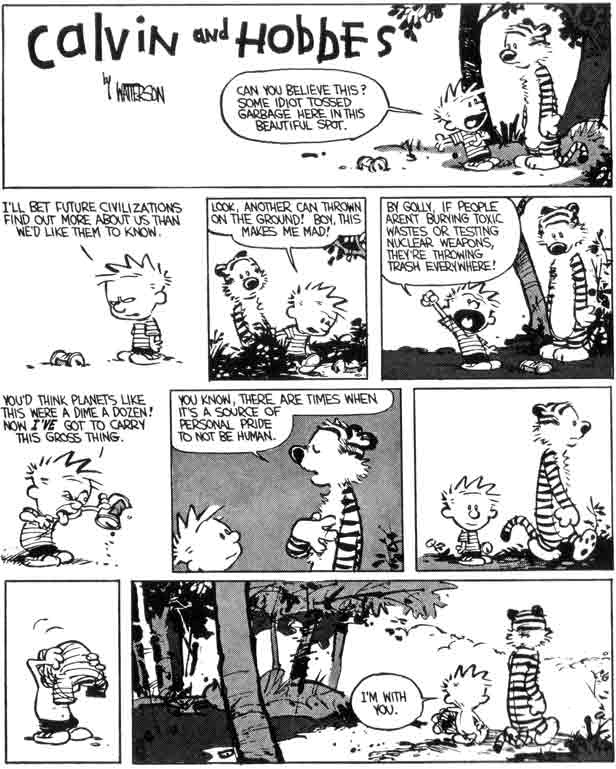
Libraries: In collaboration with librarians, Audubon could choose a selection of books that celebrate and educate on the earth and its creatures. Photography books, comics, essay collections, encyclopedias, memoirs, and children's picture books all offer their own perspectives on the human experience with the natural world.
Attendees could choose a book and create artwork based on their chosen book, whether it is a comic, an illustrated step-by-step guide, a rendition of an illustration they liked, etc. and then share their work and the book they referenced with the rest of the group. At the end of the workshop, these books would be available to borrow.
In this collaboration, it would be lovely to explore the connection between biology and art, and the artistry to be found in science and animal observations. So much incredible art has been made by biologists, like Spongebob Squarepants, and one of my favorite comics, Clan Apis.
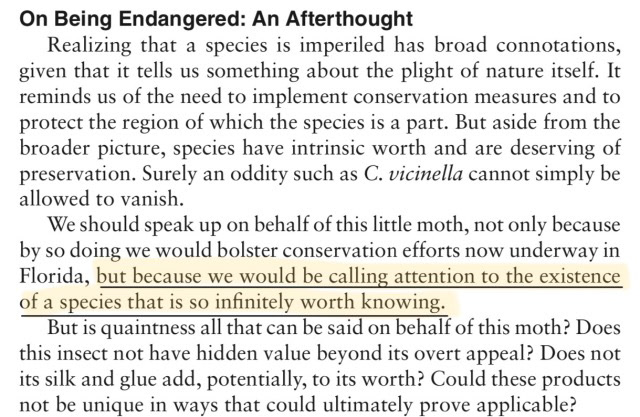
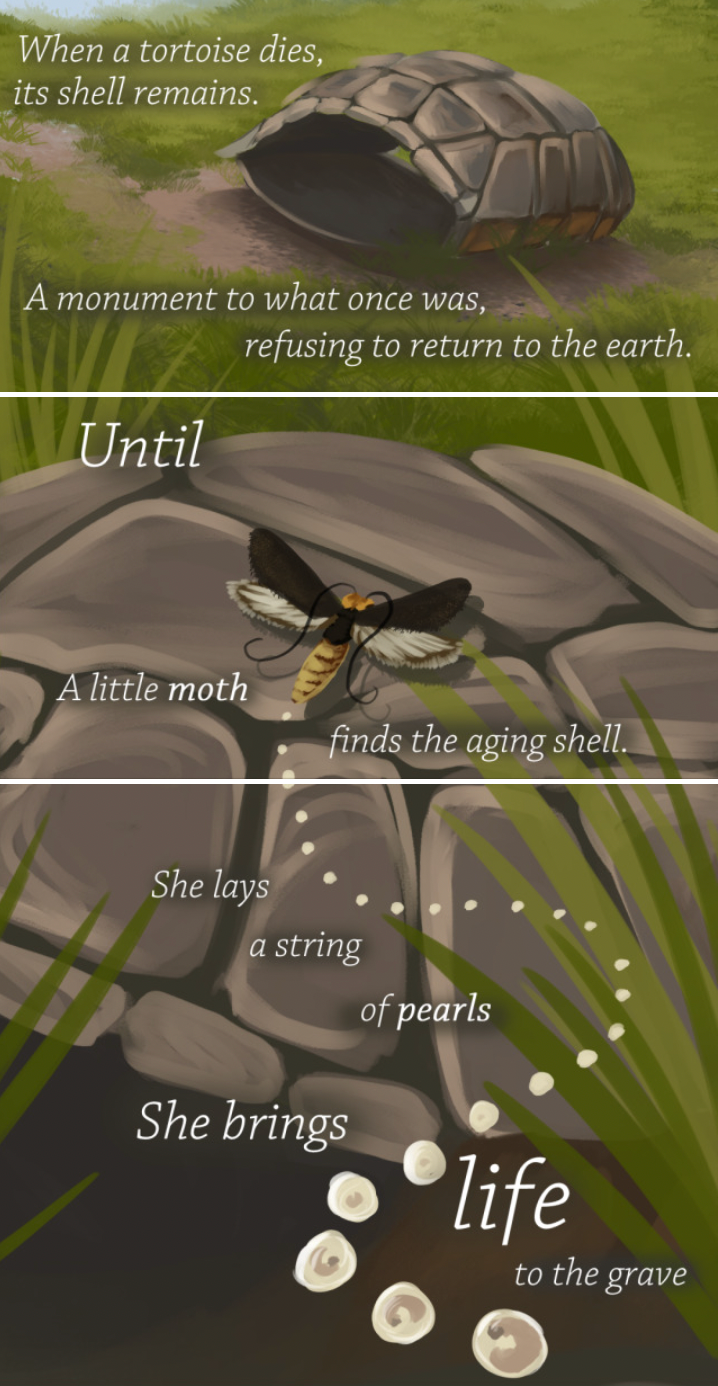
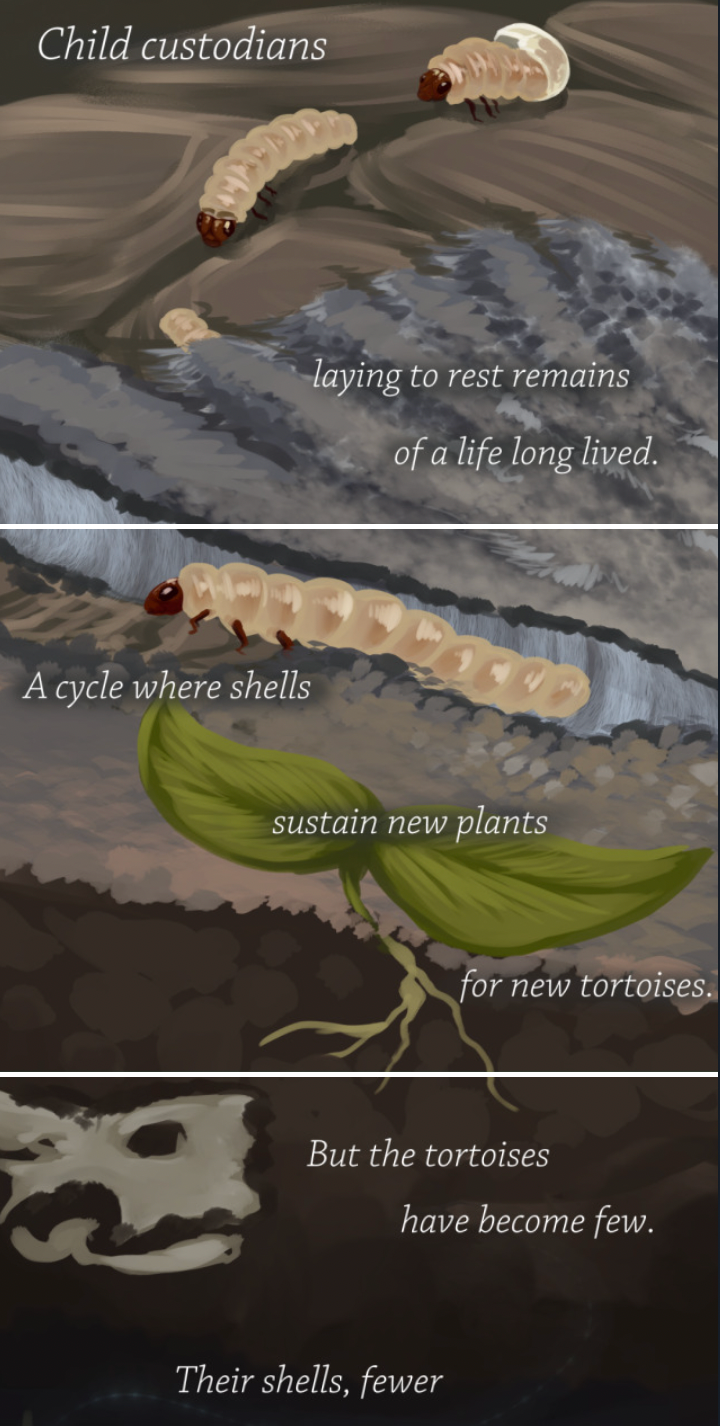
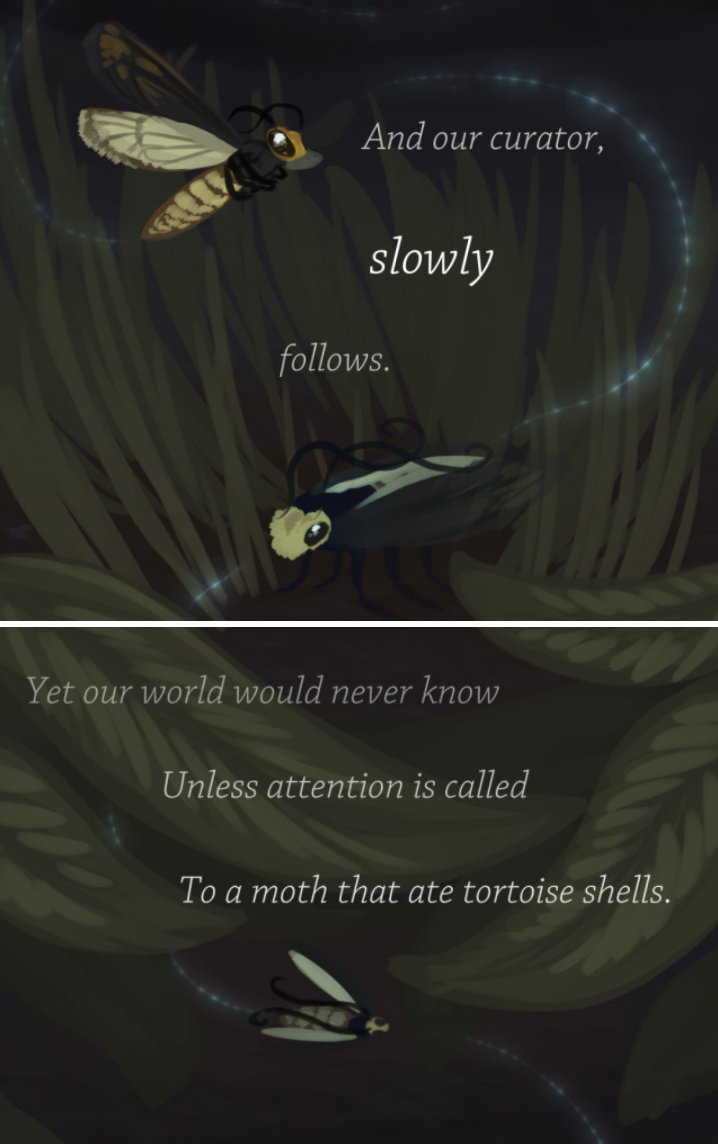
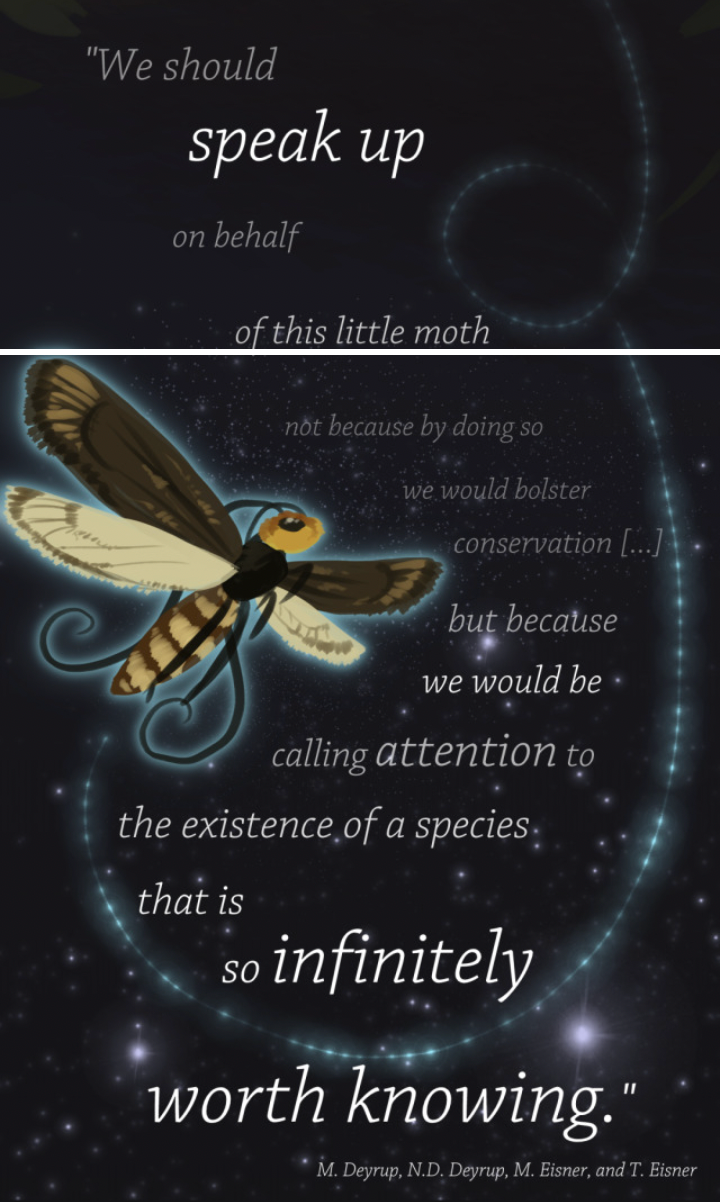
The above comic is better viewed on the artist's tumblr page. This is a beautiful comic inspired by an entomologist’s heartfelt plea for someone to care about an endangered moths. An unknown species of moth becomes better known to the public because someone cared to study and write of them in a paper, someone cared to share this fragment of their writing, and someone cared to create a comic.
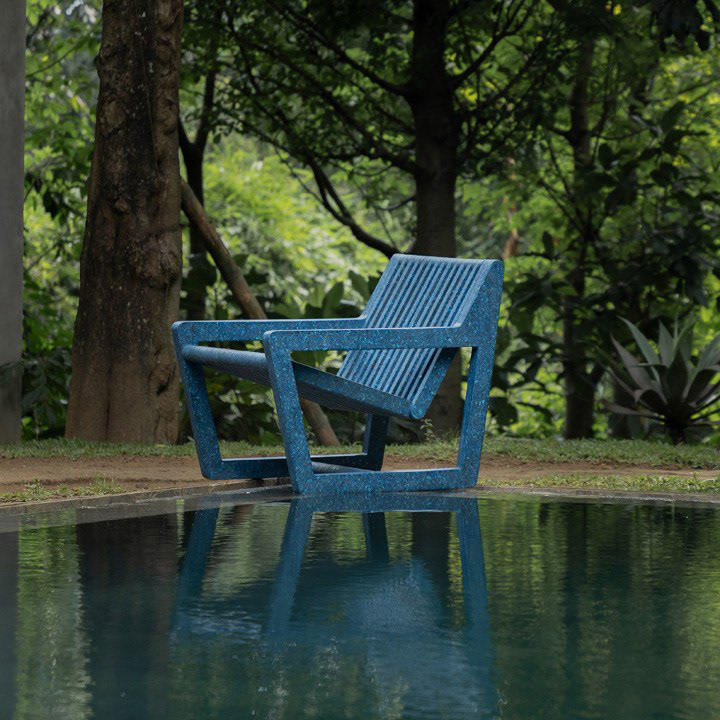
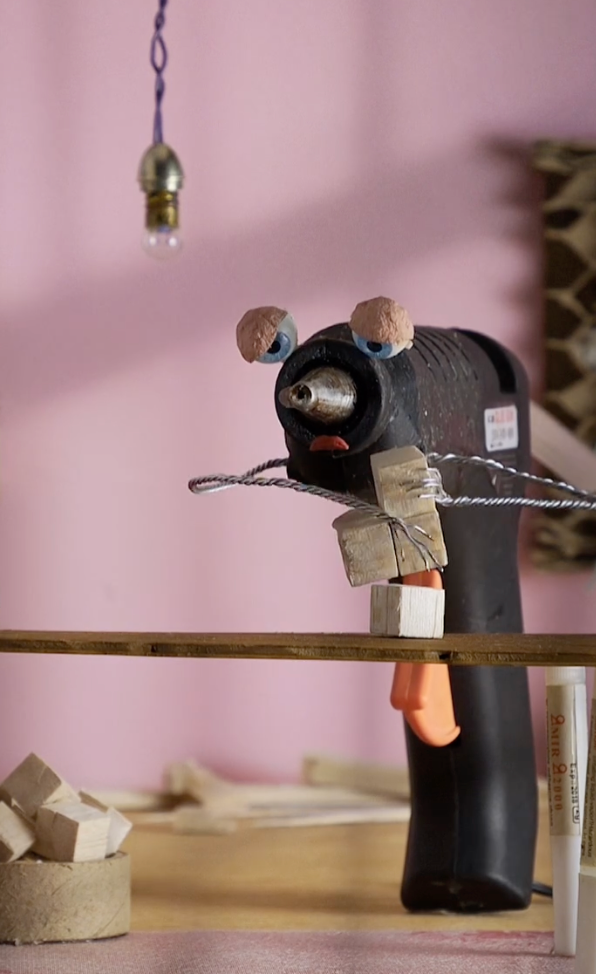
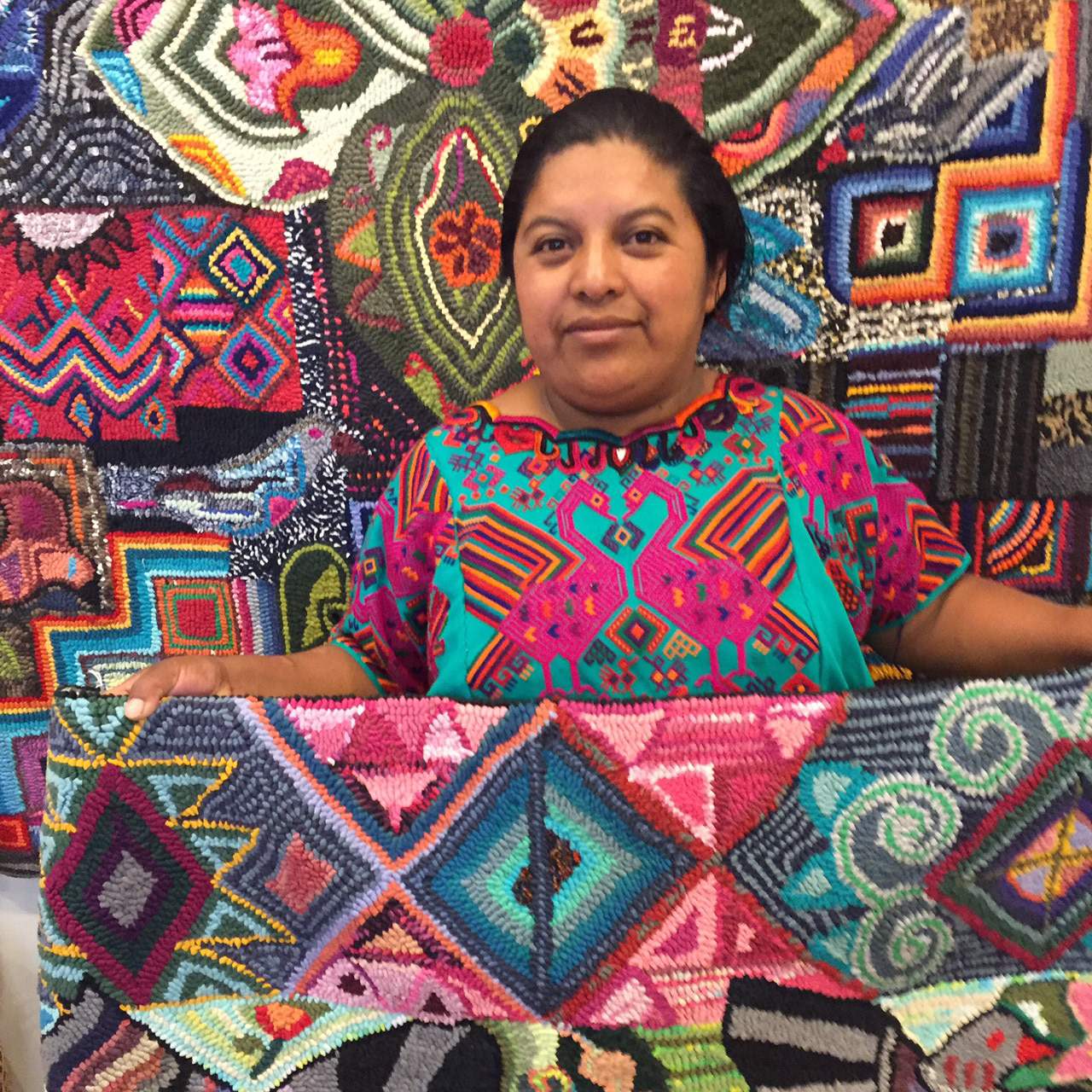
Thrift Stores: People have turned river plastic trash into chairs, picked up trash off the ground to make cool sculptures, and reused clothing into fun artsy rugs to give them new life.
A workshop with the restrictions of only reusing materials encourages attendees to see the potential in what they have, create freely without a high cost barrier, and use some junk that's just taking up space and make it something someone will love.
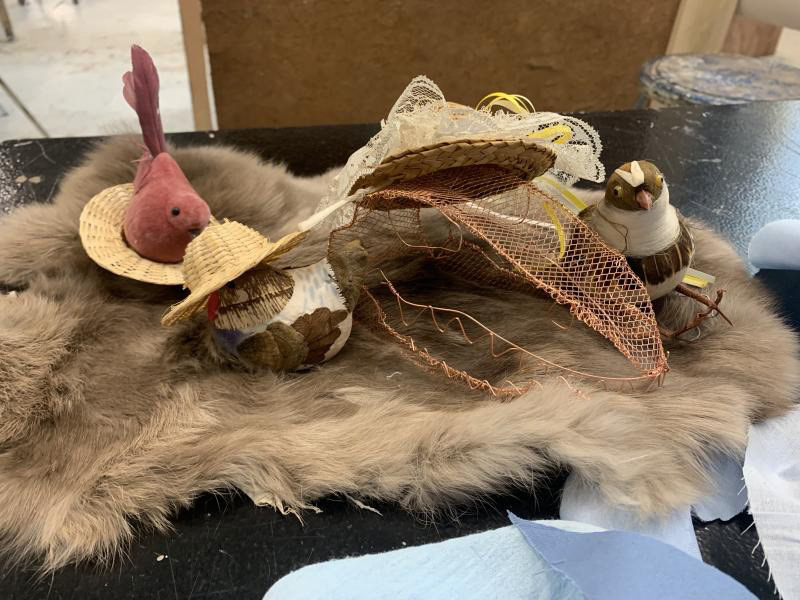
Below is a sculptural project I made with found/thrifted materials.
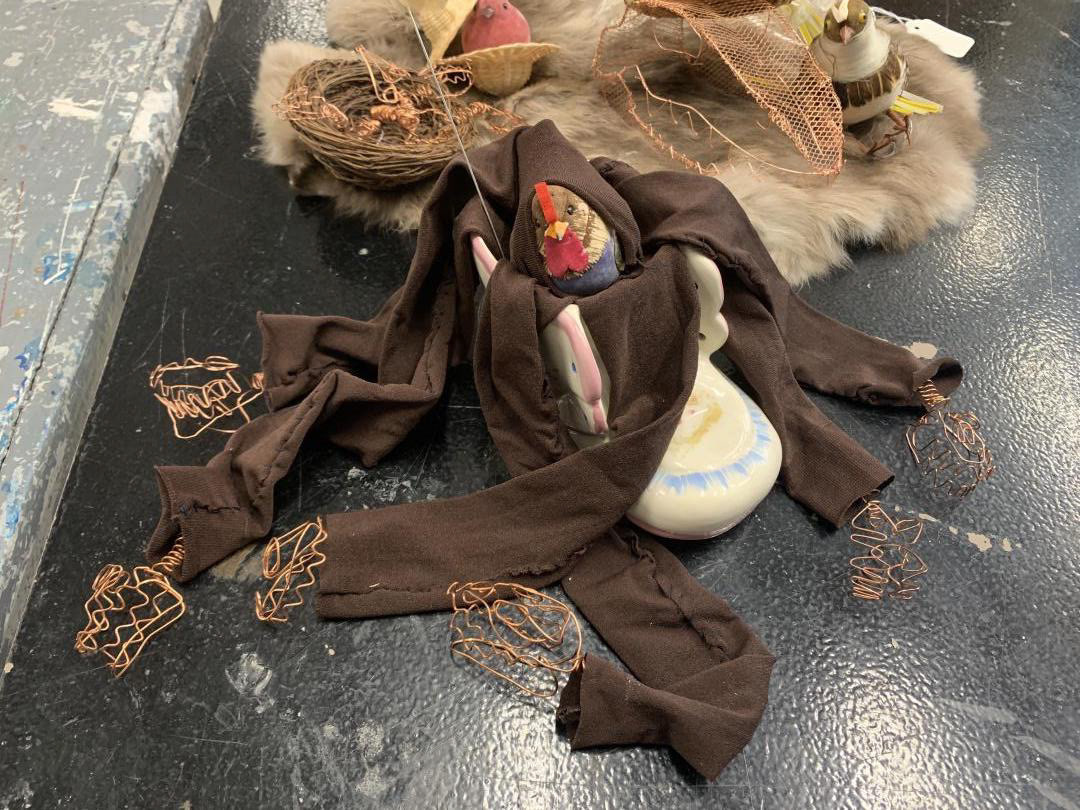
Music Conservatories: Listening to works of art such as Peter and the Wolf, which use instruments to mimic animal noises, and also looking at the amazing capabilities of animals to produce and mimic sound, people could investigate the questions: What is the function of music and rhythm to humans? Can animals make music and dance? How do animals use sound and movement in their lives to find mates, or alert for danger, or guide their group members to food?
Music and tools are a couple of the things we as humans use to differentiate ourselves from other animals. This workshop would be a fascinating way to explore our similarities and differences, and the importance of this art in humanity's development. Some ideas could be creating music with sampled animal noises, or doing choreographed animal dances -- perhaps a bee's danced message to her hive, or a swan's bonding dance with his mate.
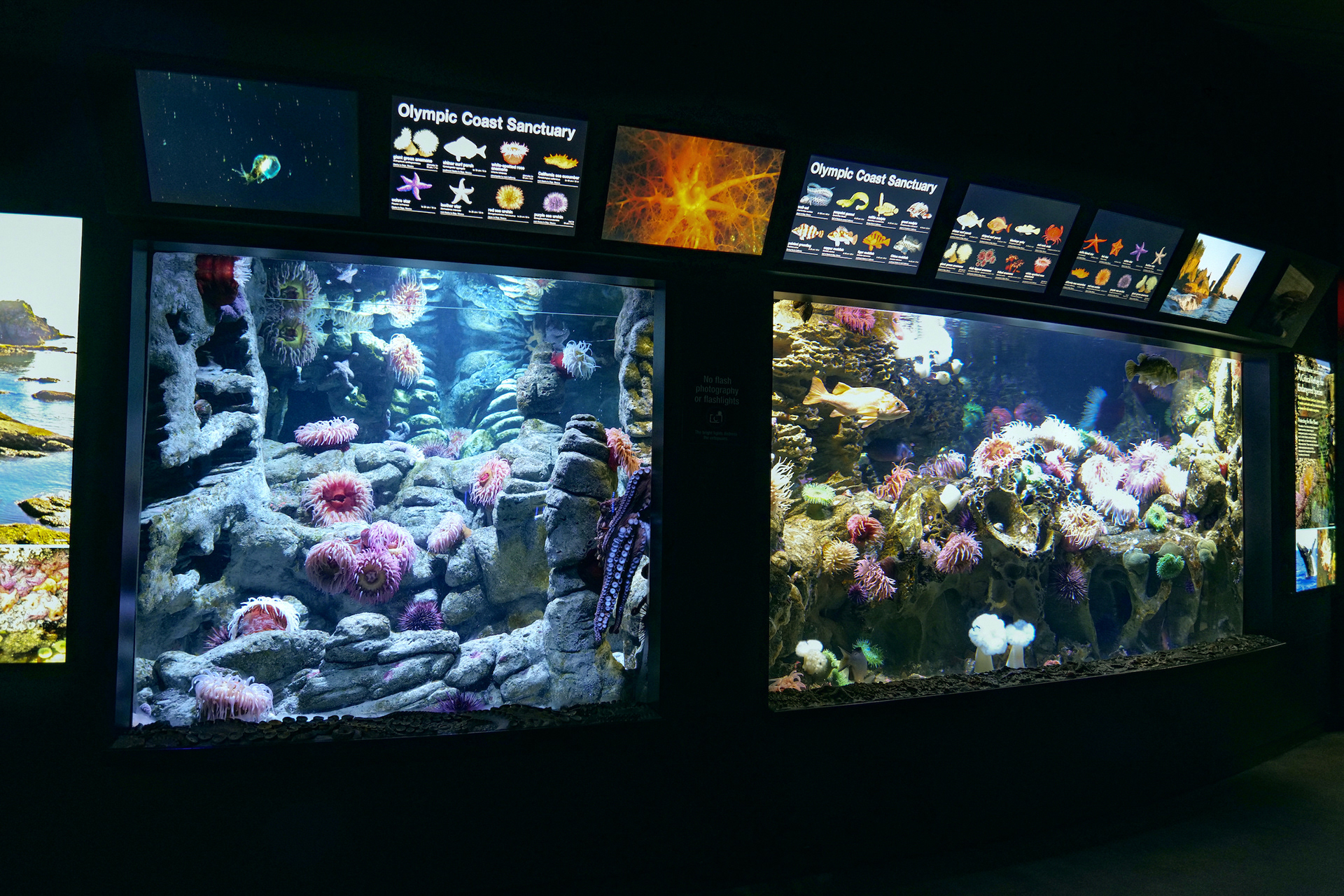
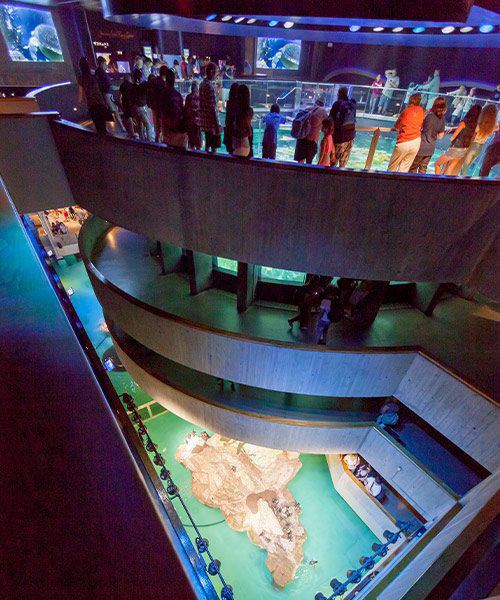
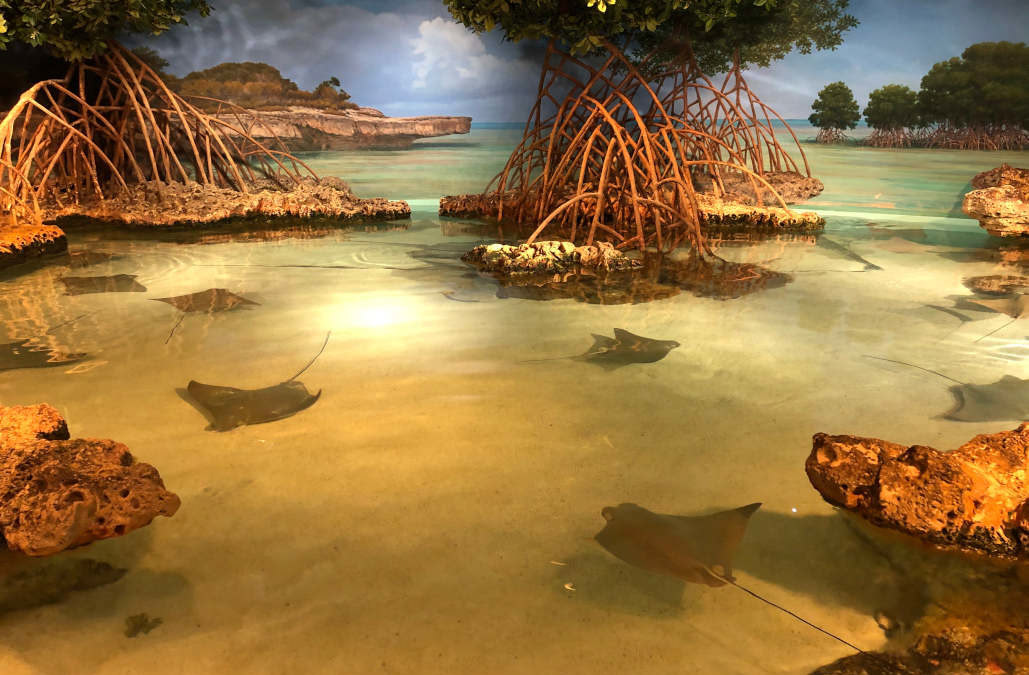
New England Aquarium: The Aquarium is an incredible space that seeks to educate the public on ocean life and inspire a love for it. It uses photography and scientific illustrations of animals to give people an up close look. It creates a sense of awe with its open architecture and giant ocean tank. It designs natural and beautiful exhibits that allow people to see animals while also respecting the animals' comfort.
There's so many interesting avenues a collaboration could take. I'd love to get to talk to the people that design the exhibits, or to the architect that designed the space, or to a scientific illustrator that draws the descriptive placards.
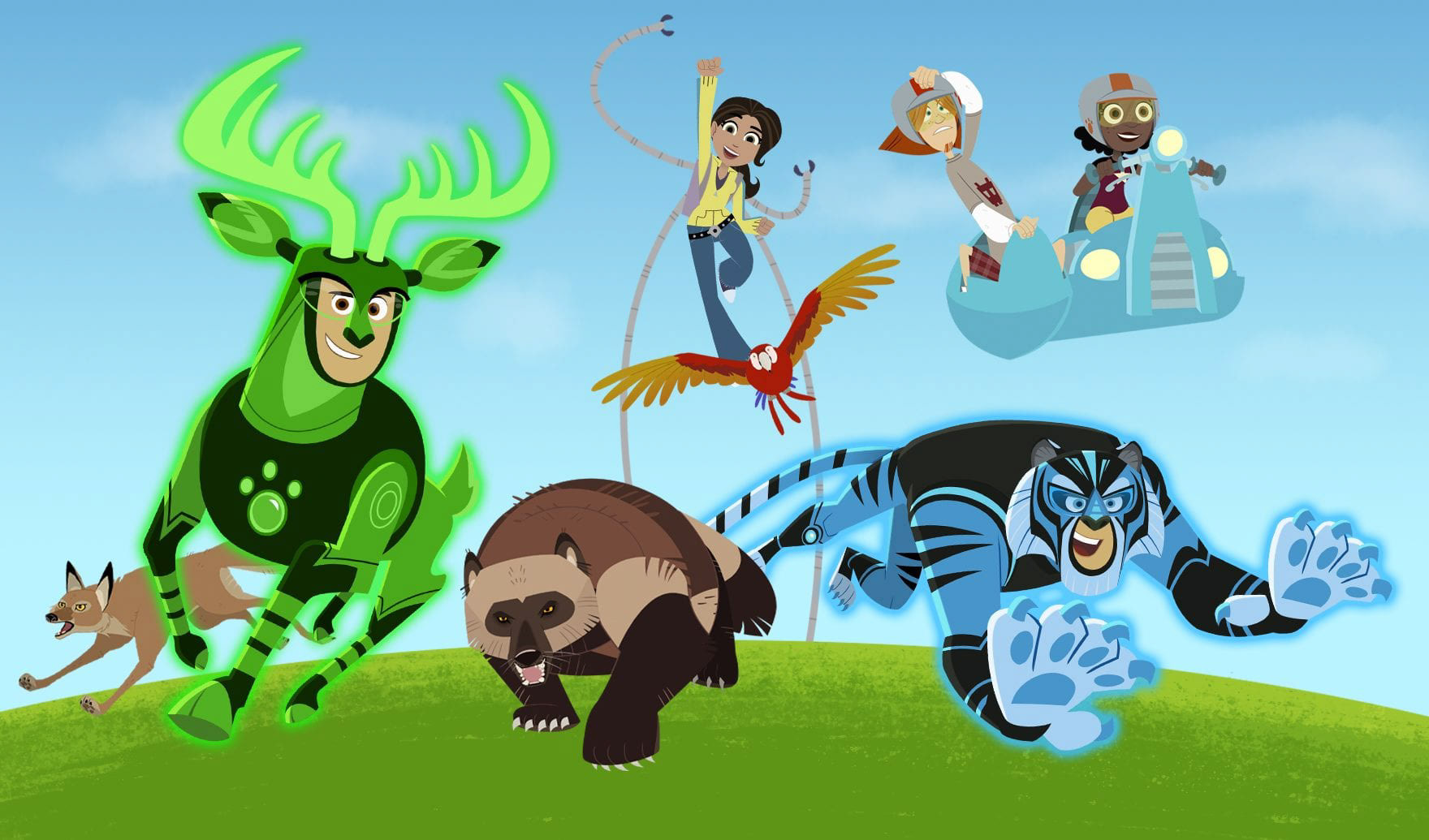
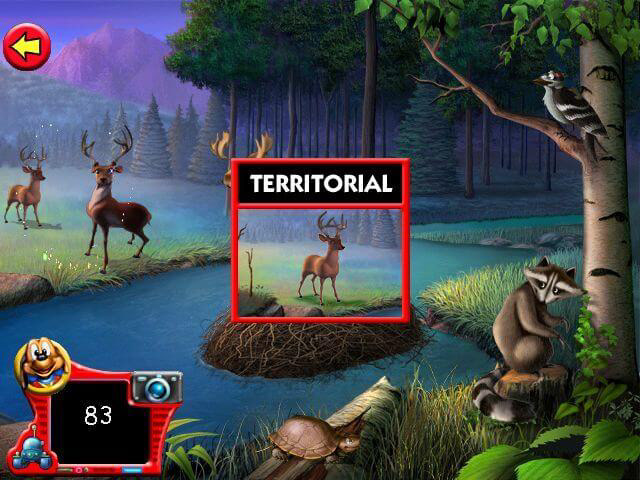
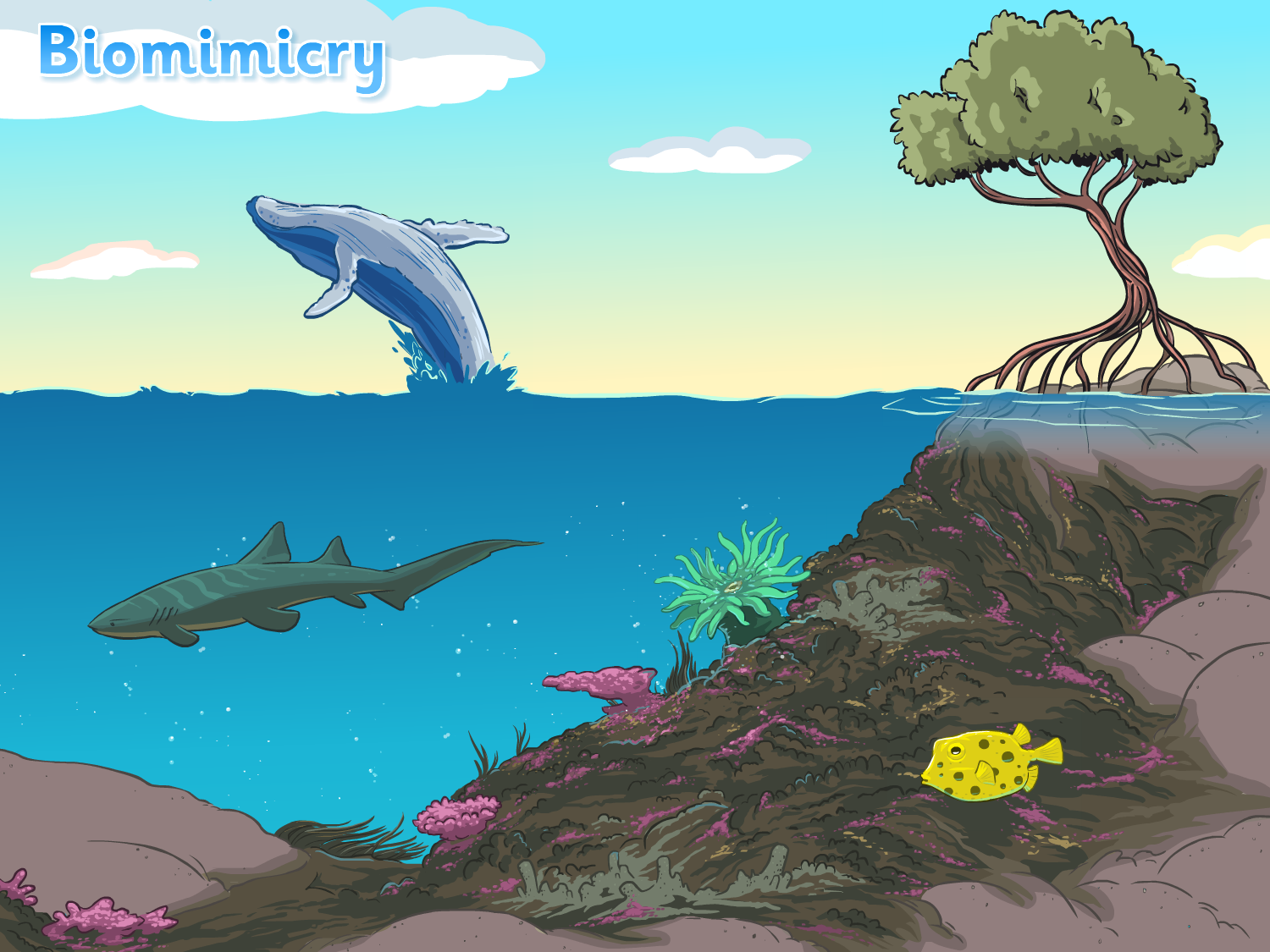
Fablevision Studios: Fablevision is an educational children's media creator. As a child, I watched things like Finding Nemo, Zoboomafoo, and Man vs Wild that shaped my perception of nature. I absolutely loved Jumpstart Animal Adventures. I have a strong interest in children's media and its ability to shape your passions and beliefs, because in my experience it truly changed me.
And of course, this isn't exclusive to children's media. Documentaries like Blue Planet, TV shows like River Monsters, and educational media as a whole create opportunities for people to grow enamored with nature, to learn of its beauty and feel a part of a bigger world.
A collaboration with Fablevision or another group doing game work in the educational field, perhaps involving a behind the scenes tour, or an exercise designing a short game, could foster fascinating discussion of the significance of games/play in learning. I'd love to hear about how Fablevision designs information and visuals in a way that captures a child's interest while being absorbable and easy to learn.
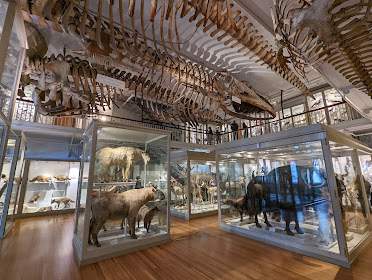
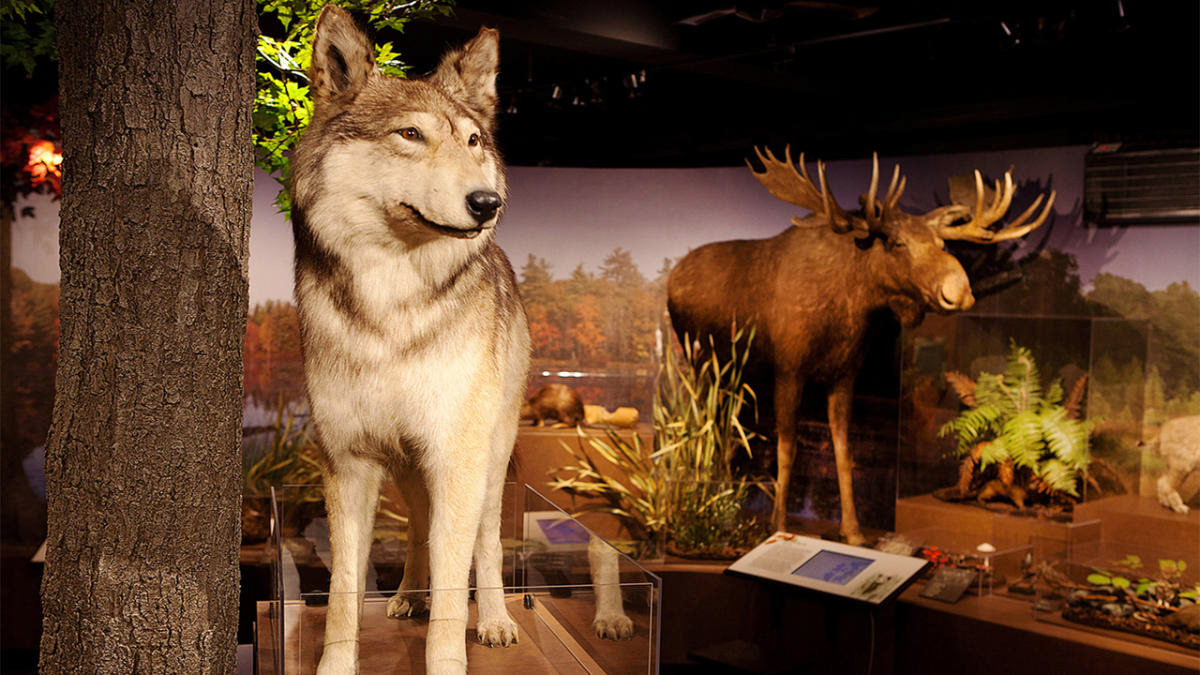
Natural History Museums: The preservation of animal specimens is a crucial part of environmental research. There's an artistic element to it -- in preparing specimens in lifelike poses, in creating their displays. When we uncover fossils, an artist extrapolates from its skeleton to imagine how it'd look in life. Why do we bother create these estimations? What about these creatures, so long ago dead, so long ago extinct, fascinates us so? What power does it have to see an animal so up close?
A collaboration could involve still life drawing sessions of the specimens, or if possible, a demonstration into how specimens are prepared for display, with insight into all of the considerations and issues. I'd love to hear an expert speak on specimens' research and documentation purposes, as well as how they believe its a benefit to the general public.
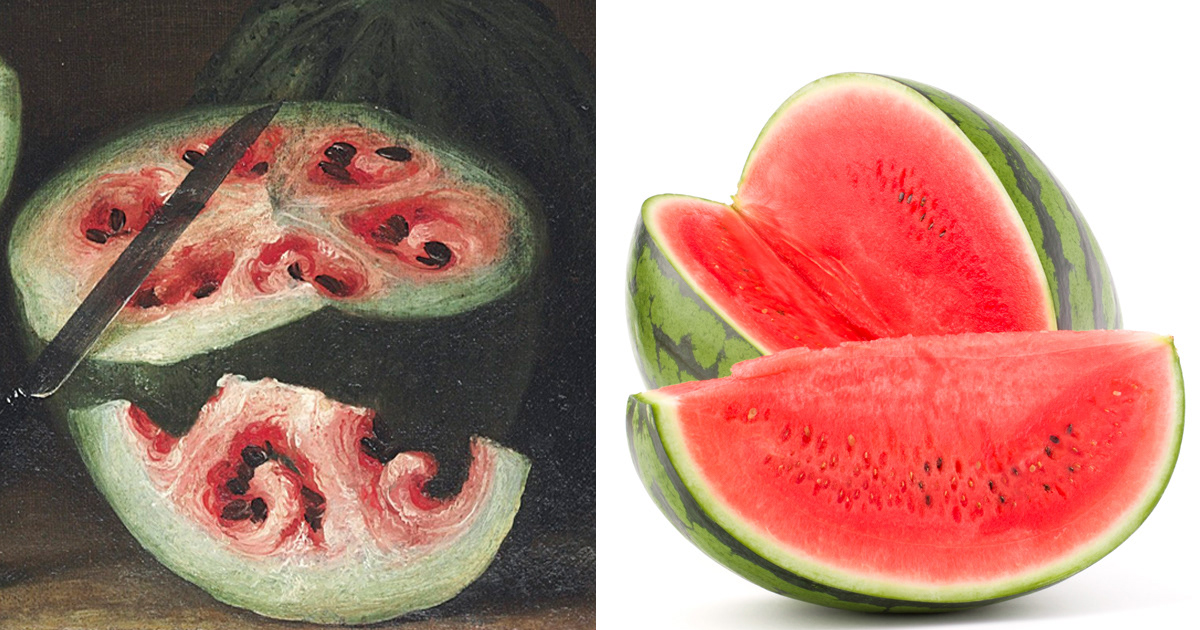
Farmers Markets: Fruits and vegetables have been popular subjects in artworks since the beginning of cultivation. In collaboration with farmers markets, a workshop could review the history of food engineering. How have crops like watermelon, avocado, and corn changed over centuries of human influence? How has our diet changed and how has it stayed the same? It might be fun to do some art projects imagining the still lifes of the future -- what will fruits look like in 100 years? What changes would you make to make your favorite food tastier or easier to eat?
I'd like to hear from a farmer more on the considerations they have when breeding or genetically modifying crops, both to the consumer and the health of the plant itself. A workshop could also involve the topic of sustainable farming.
Aesthetics are such a large part of our appetites, I'd also love to explore that as a topic: 'ugly' foods being passed over despite being perfectly edible, and artificial coloring being used in salmon to make it more palatable.
PROGRAMS AND EVENTS
What art activities can interest people in their environment while also creating community and joy?
Exploring Animal Art in Different Cultures
The variance from Chinese ink paintings to cave paintings to medieval carvings. What do you notice about how different cultures depict their wildlife? Why would they make those choices? Make something based a culture’s depiction of animals! Mix and match -- what if you drew an Asian dragon in the style of sporting art?
Hunting Art - Decoys, lures, sporting art
Decoys and fishing lures are examples of artwork that has come out of hunters and fishers' functional usage. They've taken a life of their own beyond their ability to attract animals, with people competing to make decoys and lures just for the beauty of it. A fun activity would be designing decoys and lures -- perhaps even for some fictional creatures.
I'd love to do some programs on functional artwork in general. Basketweaving, traps -- all of these activities stem from the fundamental need to get food, but evolve into the appreciation of beauty and skill.
American Miniature Bird Carvings
"As decoy carving waned in the early 1900s, some of the most accomplished decoy carvers turned to the carving and painting of waterfowl and game birds in miniature sizes. These carvers were soon followed by others who carved and painted songbirds and other non-game birds of virtually every species, all geared toward a bird-loving audience. These works became known as 'decorative' carvings." - Cornwall Historical Society
Field Guide Illustration
Make a field guide illustration of your home garden, of the mythical creatures in your favorite game, or of a region you're interested in.
Birdcalls and the Music in Nature
How do bird calls vary between species? How do birds change their song to fit different purposes? Alarm, contact, food begging, etc...
While learning about the language of birdcalls and the history of humans learning to differentiate and recreate these sounds, program attendees can create bird whistles from different materials (carved wood, bone, foam).
Print Making with Risography and Screenprint
A lovely way to focus on an animal's patterns and colors.
Playing with Texture
Taking pictures or scanning objects from nature (reptile skins, leaves, etc.) and blowing them up large on a paper. See what interesting shapes and patterns can be made, and whether observers can tell when they came from
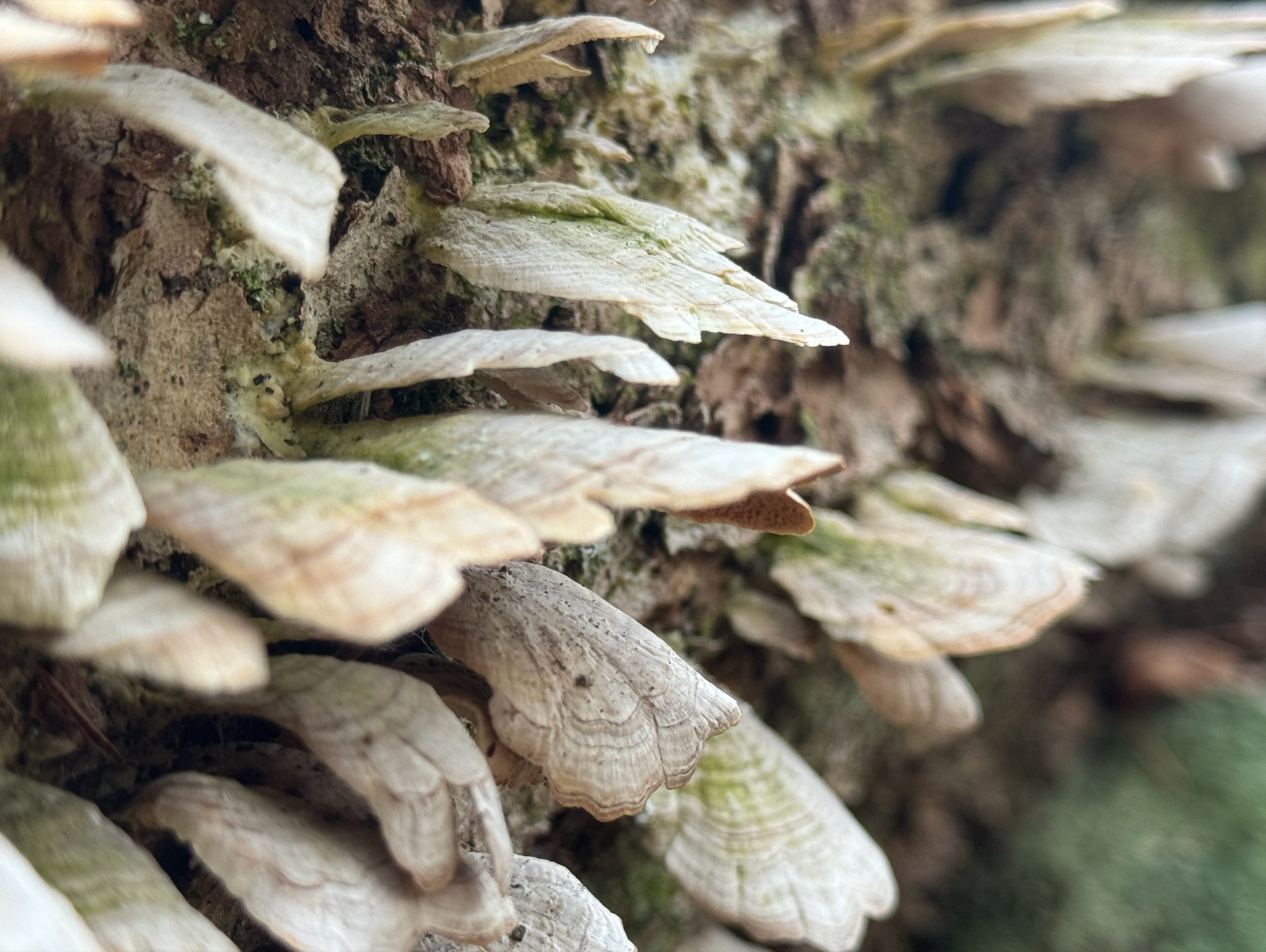
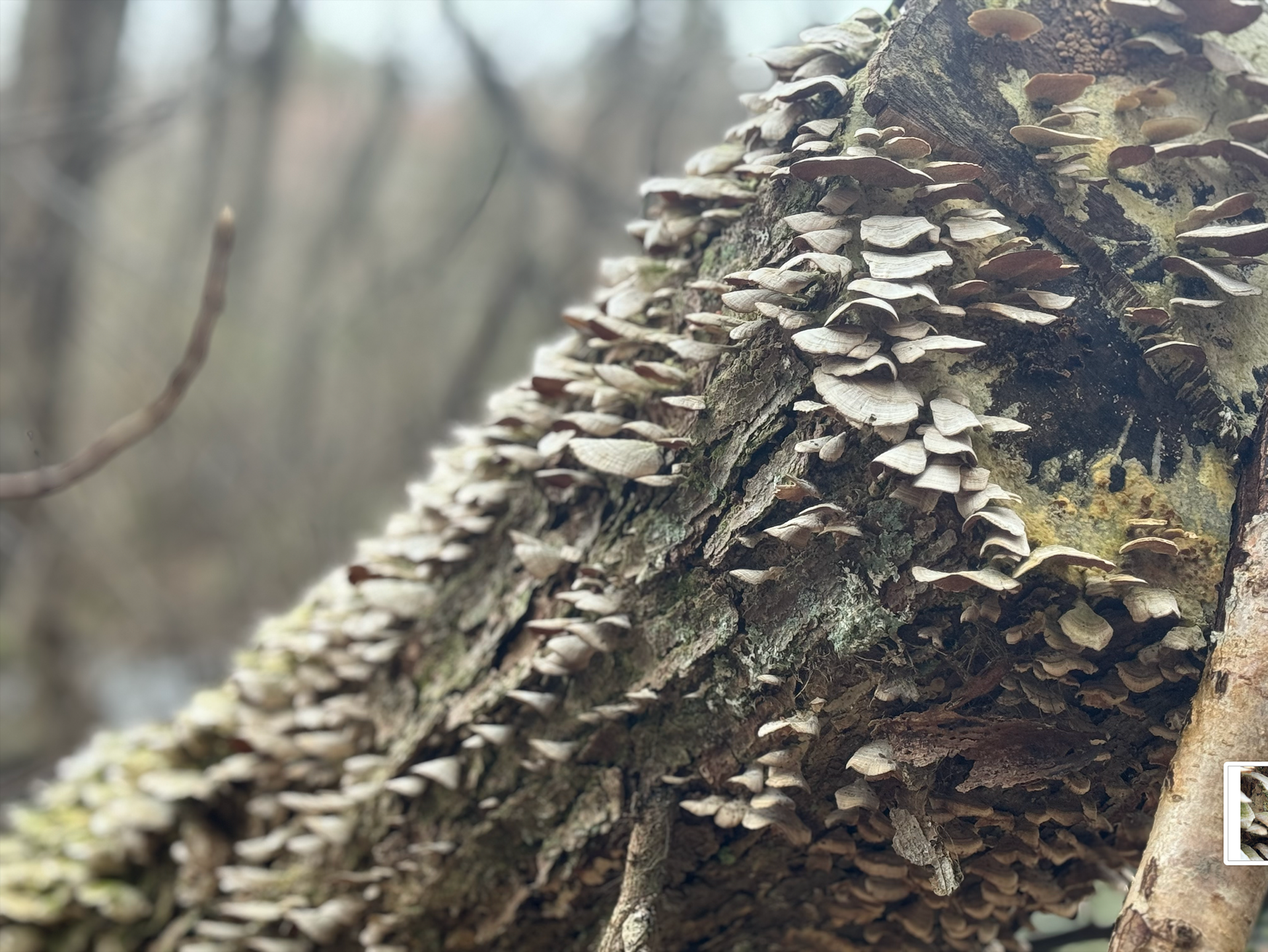
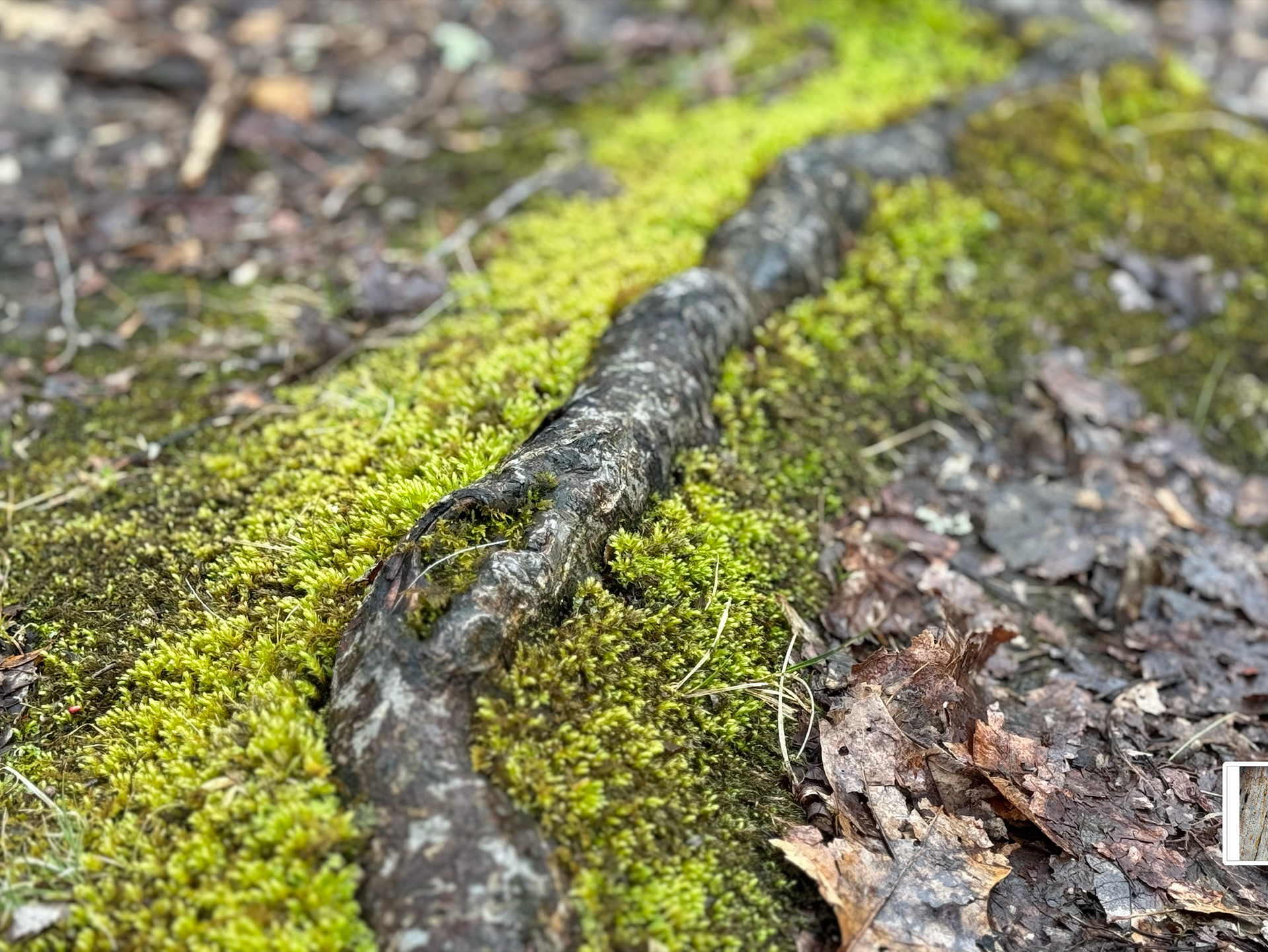
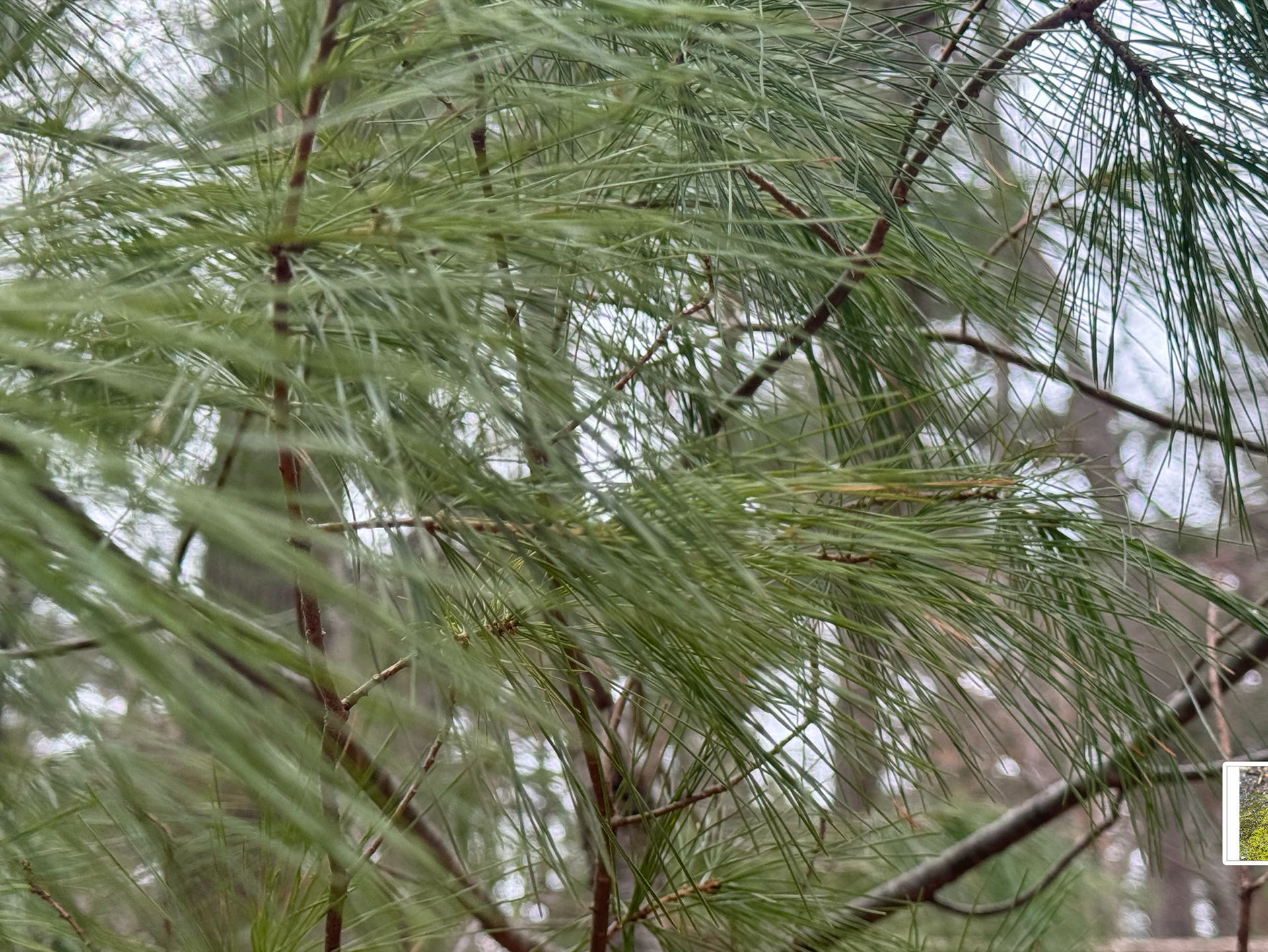
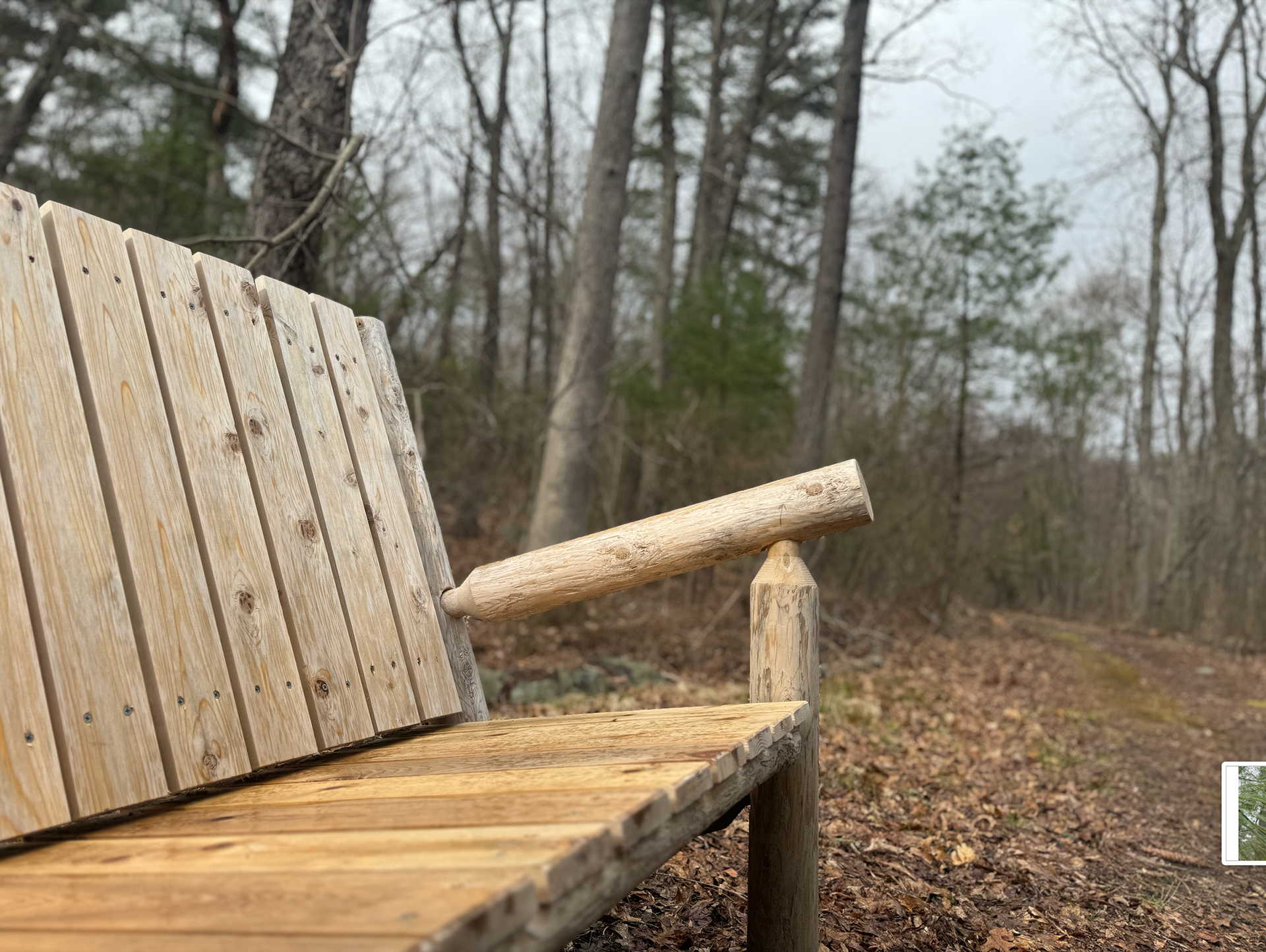
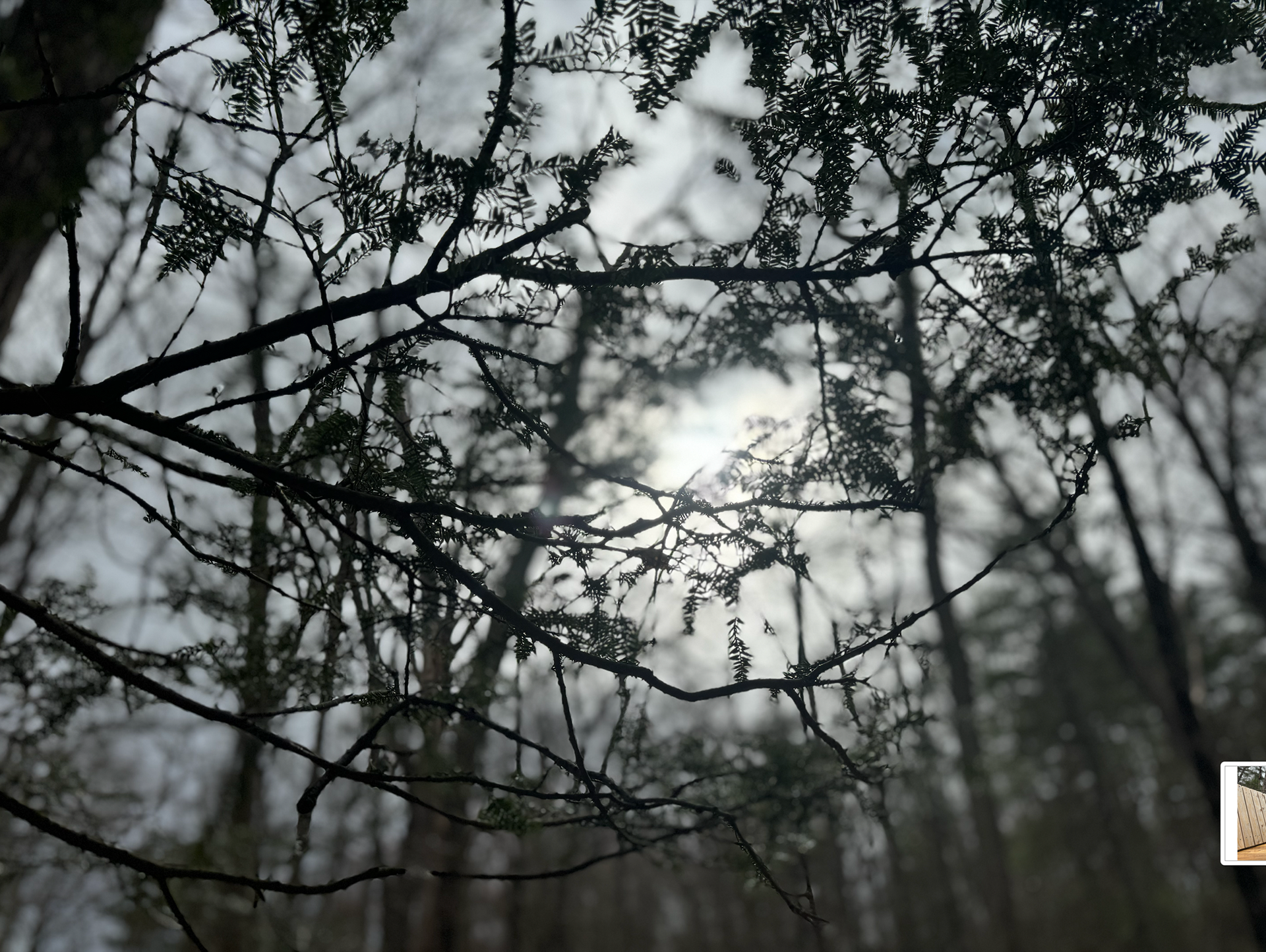
Pictures below are from MABA / Earl Newhouse Waterfront
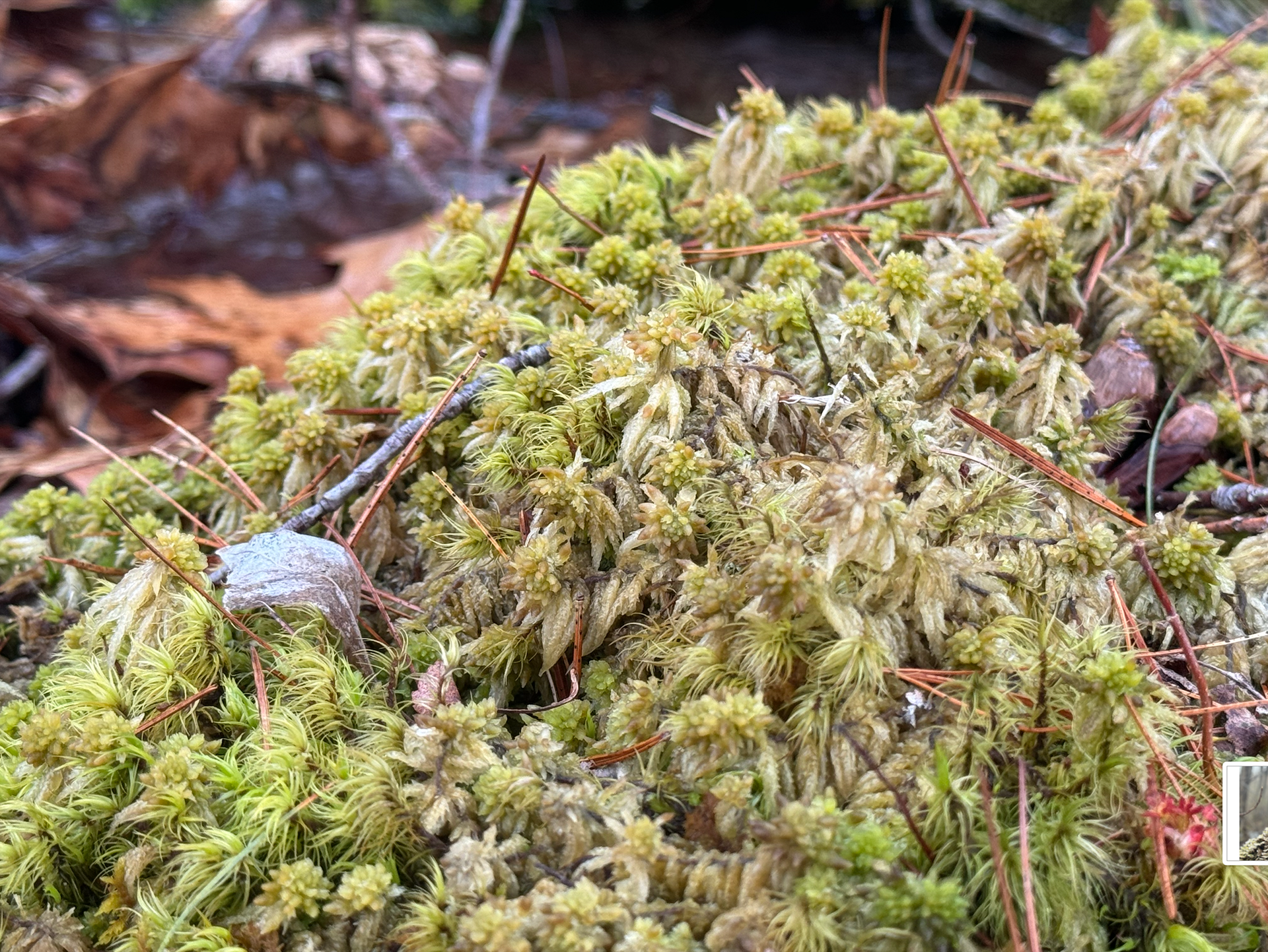
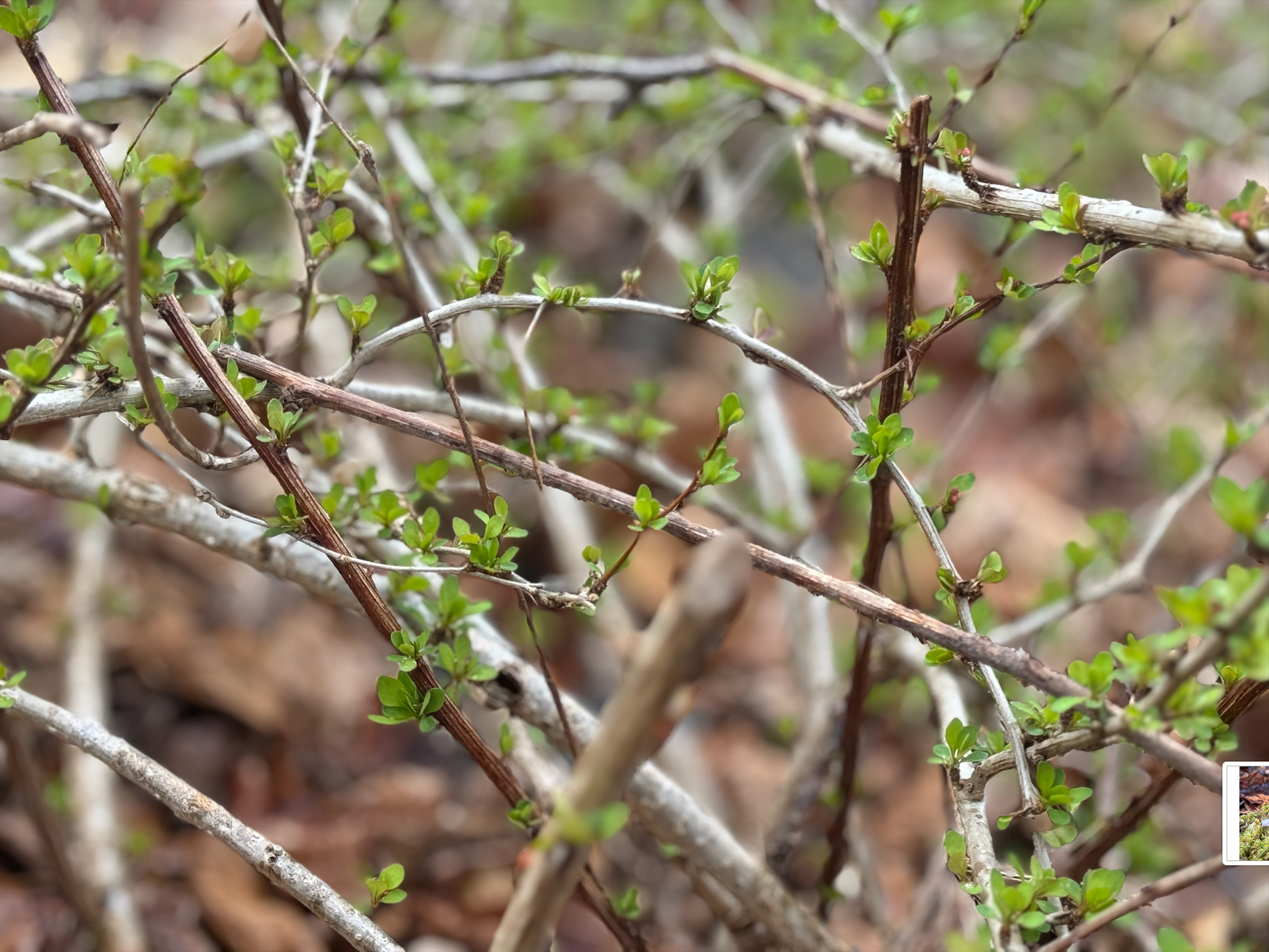
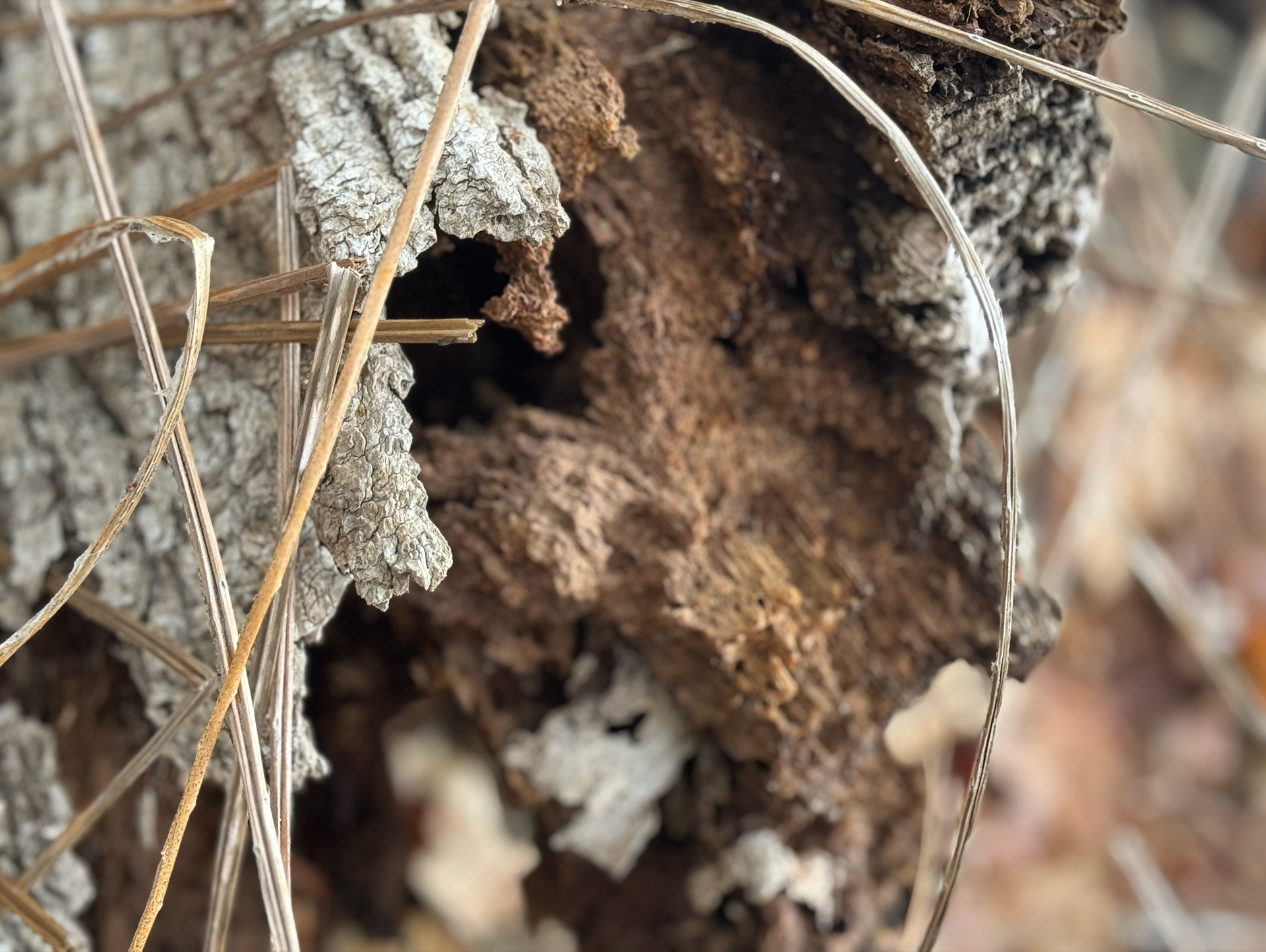
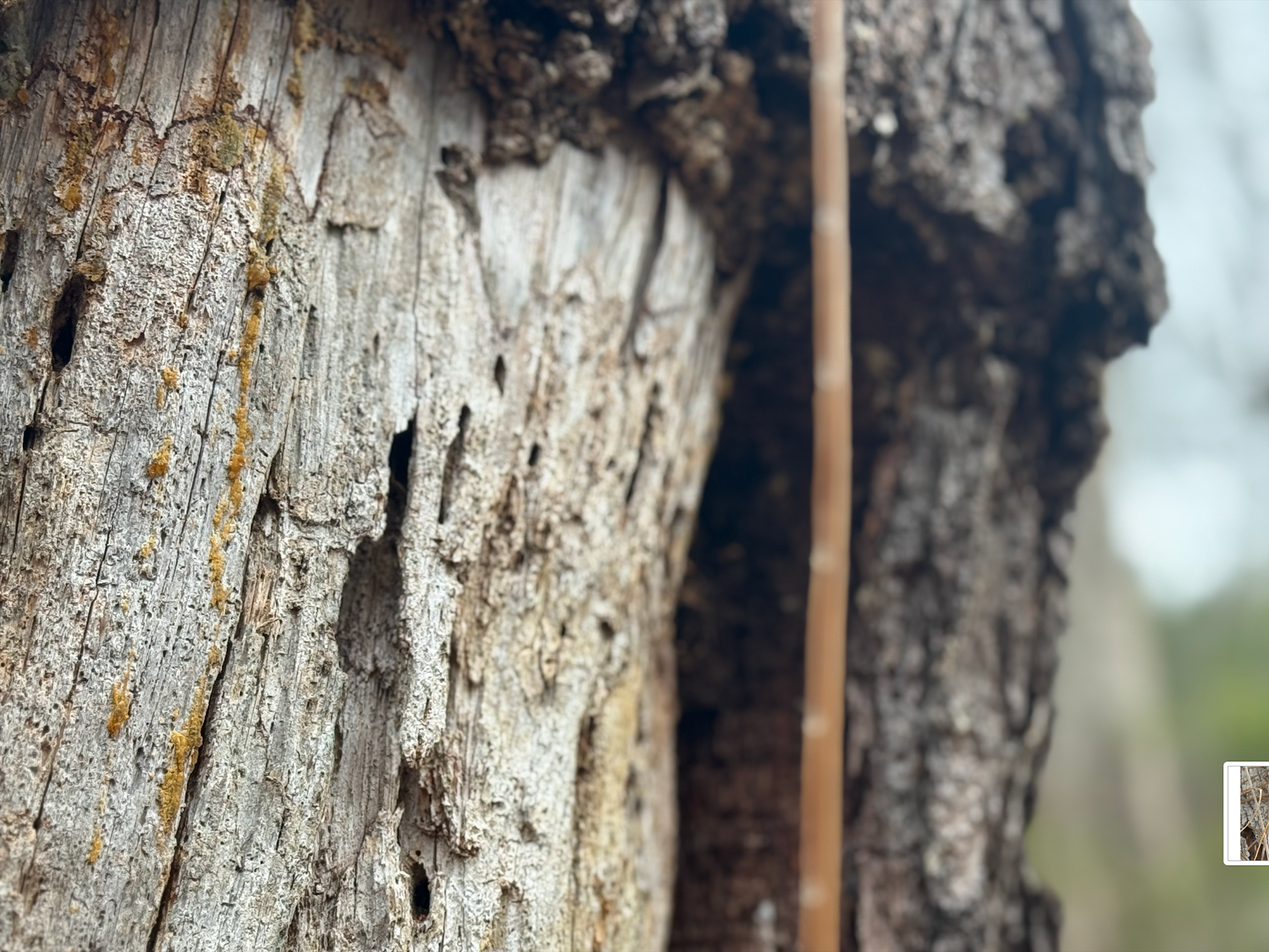
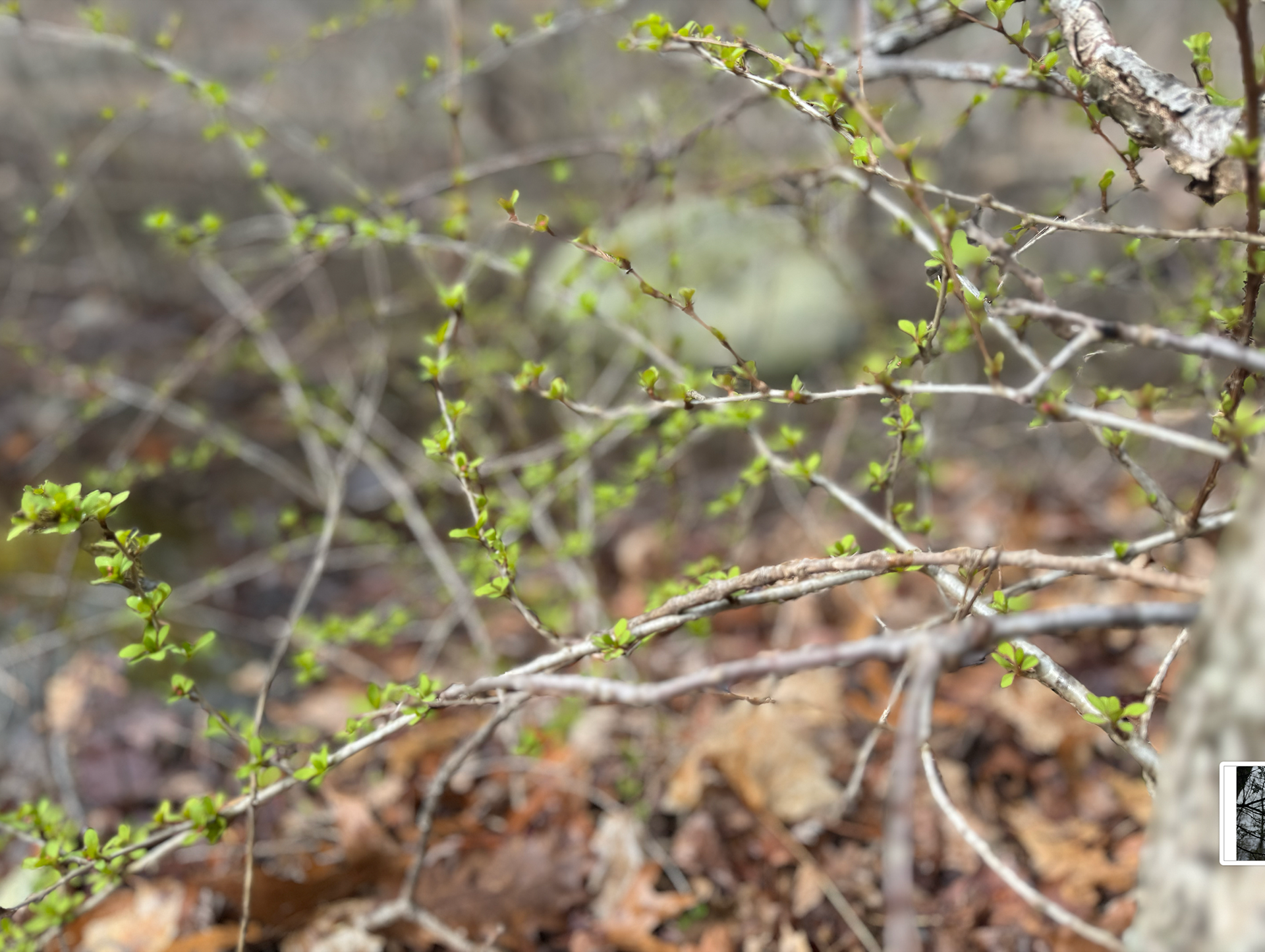
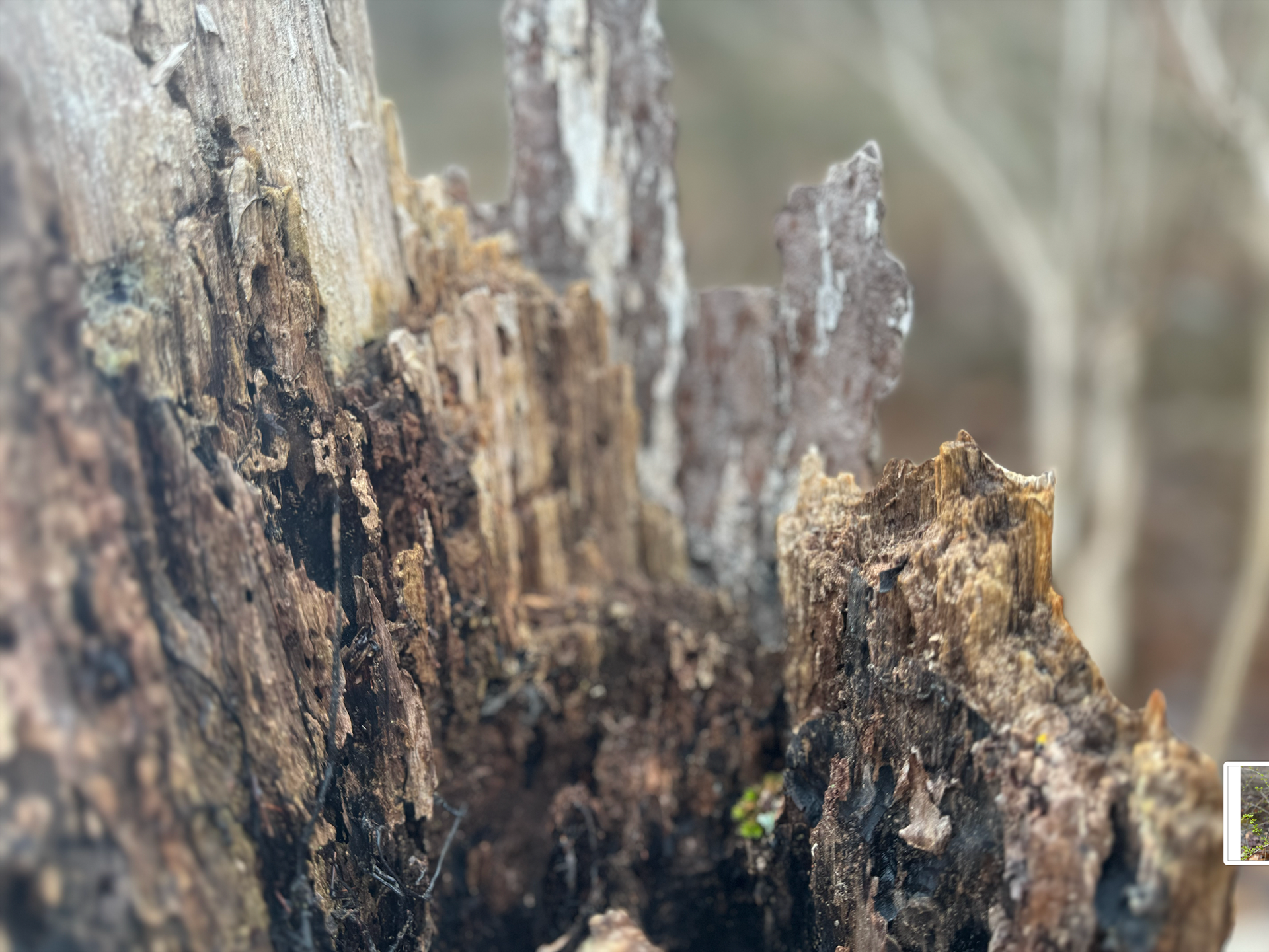
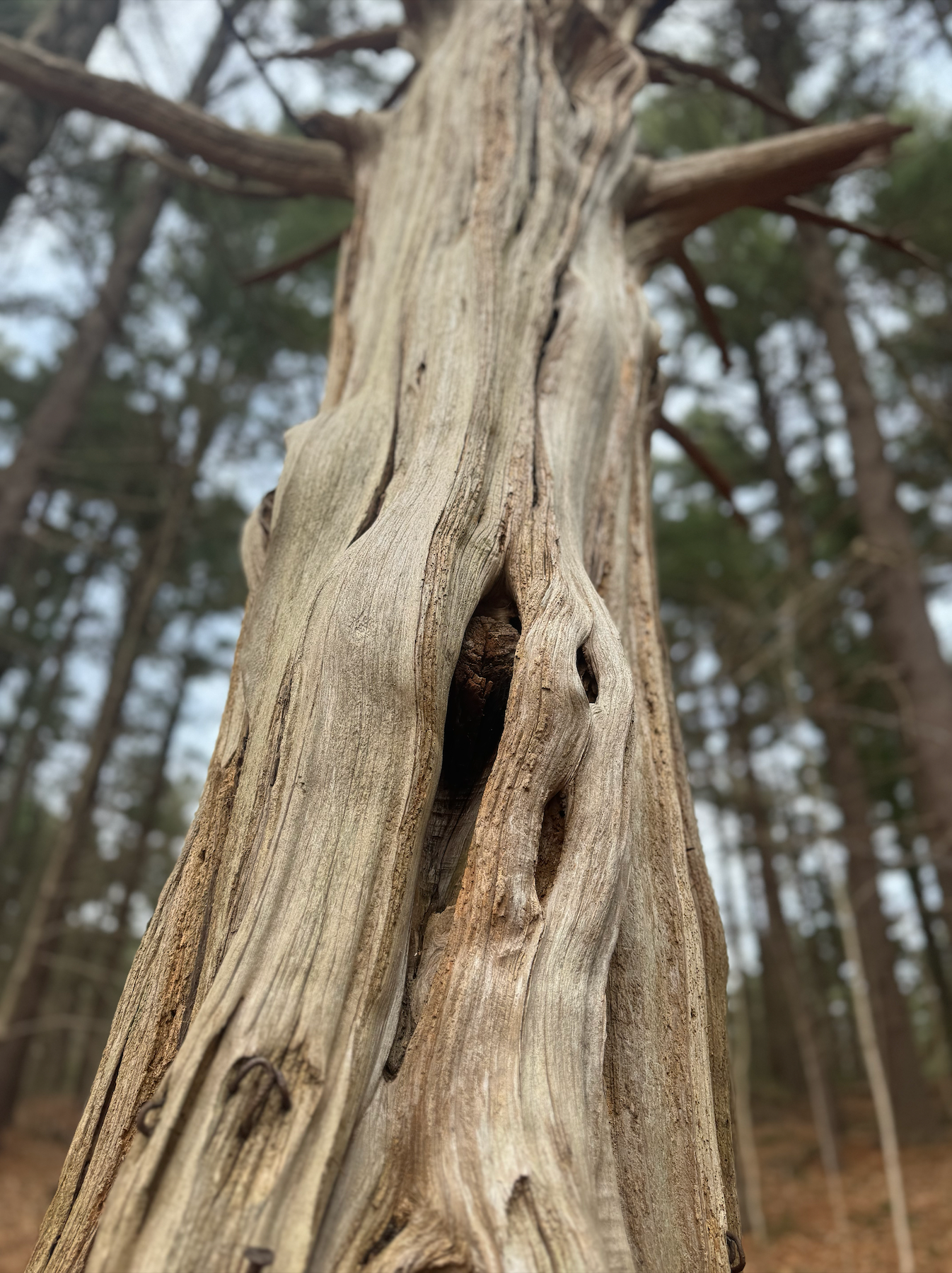
Textiles, Papermaking - Using natural colors
Pressed flowers and leaves can be used to create beautiful decorations. They could work for 2D flower arrangements or collages.
Egg cartons can be recycled into a pulp for thick paper, perfect for art! Perhaps after making booklets of homemade paper, program attendees could fill these books with pressed flowers and artwork.
The natural colors from rocks, fruits, and plants can be used to make paint and fabric dye.
Collaging with National Geographic Magazines
Repurpose old magazines and enjoy the beautiful photographs in new, exciting compositions.
Temporary Art (with sand and pebbles and leaves)
Justin Bateman creates temporary artwork from elements of nature.
"At first it was hard to destroy the work when I had spent so many hours creating it. But the impermanence aspect of the site-specific work is important to me. I can make permanent pieces, but most of the work is not meant to last. It is ephemeral, like the seasons. I prefer the natural environment to remain natural, so I remove any indication of my presence when I leave the site and disperse the stones."
Creating Animals
Create your own imaginary animal. Imagine its habitat, what it eats, and how it has adapted to fit that habitat.
(This is an activity I did in elementary school! I made a paper mache winged cat that lived in the snowy mountains.)
Plein Airs
Draw a location at different times of day. You can add animals, thinking about the animals active at these different times. What are the diurnal, crepuscular, nocturnal animals?
Duck Stamp Contest
The federal duck stamp contest could be a fun activity to work on as a group. For kids, there's the junior duck stamp contest.
Mini Terrarium Making
COMMUNITY PROJECTS
What art projects can use the collaborative efforts of many people to engage the public at large?
A comic/illustration/documentary series inspired by stories from the public
Depicting people's favorite nature memories: something they did as kids, a camping trip, a volunteering experience, a vacation. Any moment that nature touched them deeply. Writers, scientists, hobbyists, artists, poets, videographers, etc. all working in collaboration
Community zine
Collecting different 2D artworks, photographs, writing, poetry
Large art exhibit showing
With a wide range of environmental art: a section for etchings, a section for sculptures, photography, audio video presentation, a merch table! Interactive installations you can walk in or touch -- my family really enjoyed 'Glorious Vision of a Rainbow' at the WNDR Museum
Something big outside of Audubon in a public space
There are many incredible climate artists with art installations that could inspire a community wide project, such as Shehab's Pyramids of Garbage. Many of these projects involve replicating nature and bringing it to an urban space.
Adding birds (mini sculptures, stickers) to the streets? Perhaps a large recreation, like a big carved bird sculpture, or an expanded scene of a famous artwork